

Why You Win
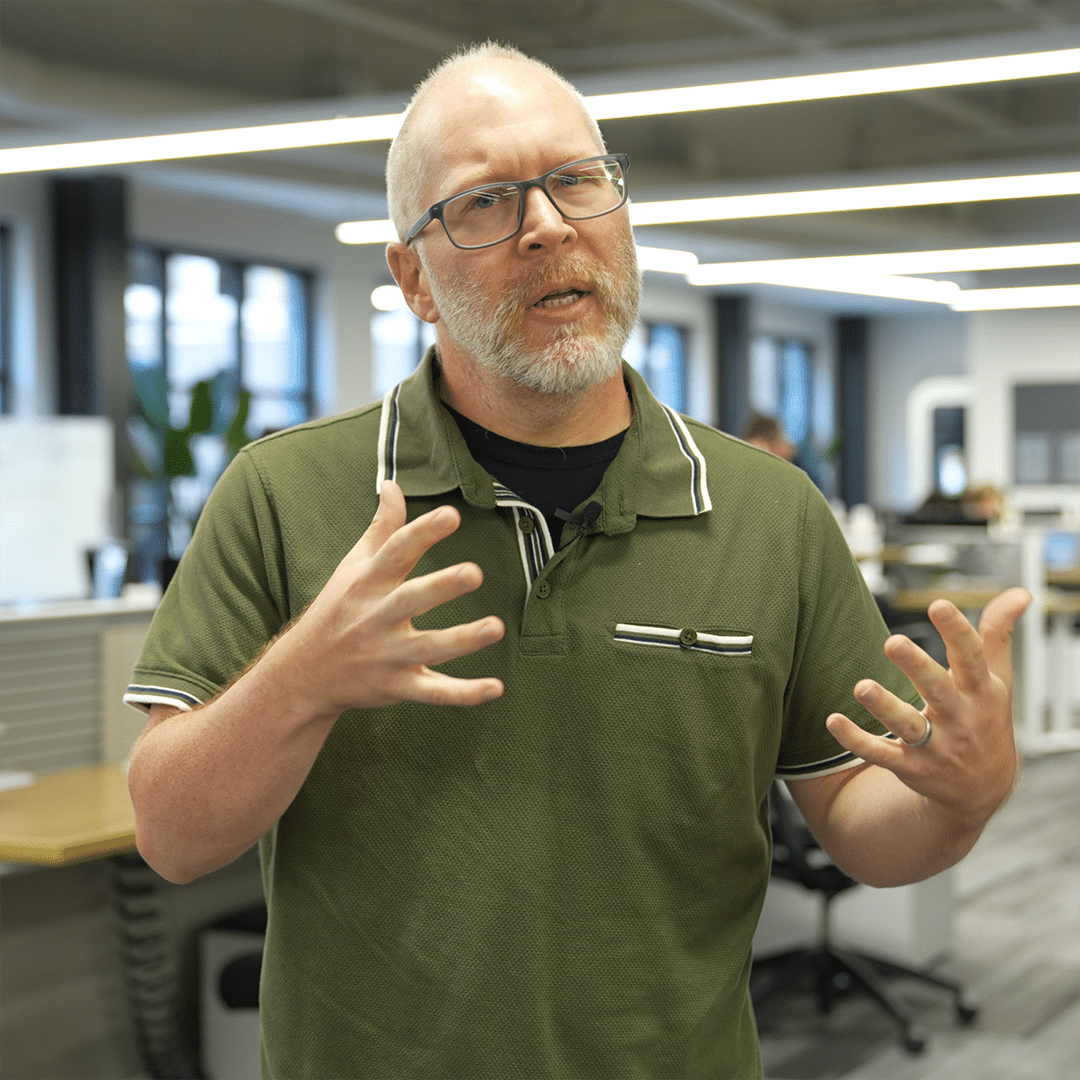
Marcus Sheridan of River Pools
This Episode
In this episode, Kyler and John sit down with Marcus Sheridan, Founder of River Pools, author of They Ask, You Answer, and entrepreneur behind multiple software and service businesses, to explore the realities of scaling through franchise and dealer models in today’s market.
Marcus discusses the evolution of River Pools from a local installer to one of the fastest-growing fiberglass pool manufacturers in the country and explains the company’s decision to move into franchising. He details the operational challenges involved in managing customer experience at scale, as well as the legal and systems complexities associated with franchise growth. Additionally, Marcus highlights why many traditional franchise structures are not designed for the future of digital marketing.
The conversation also addresses how AI is transforming dealer networks, lead generation, and agency services. Marcus emphasizes the increasing importance of local brand ownership, how operators that prioritize AI will stand out in the market, and the risks faced by manufacturers that avoid transparent pricing and customer education.
This episode provides valuable insights into how channel strategy, customer trust, and adaptability will define the next generation of manufacturers.
Key Takeaways:
- Build Systems Before Scaling: Replicable operational systems matter more than aggressive franchise growth
- Let Local Markets Own Their Marketing: Franchisees need flexibility to build local content, websites, and customer trust
- Transparency Still Wins in Complex Sales: Pricing tools and direct answers continue to outperform guarded sales strategies
Episode Transcript
This transcript was generated with the help of AI and may contain some errors.
Marcus Sheridan (00:00):
Happiest day in the life of any business is not when they figure out who they are. That’s so overrated. It’s when they figure out what they’re not, because when you figure out what you’re not, that gives you the power to say no. And no is what saves you from your greatest mistakes in business.
Kyler Mason (00:21):
Whether you’re going to market through dealers, distributors, or some other partner channel, the mediated sale is complex. We call it B2B2X.
John Gough (00:29):
But the leaders in the industry are the ones who are making it look simple. I’m John Gough,
Kyler Mason (00:34):
and I’m Kyler Mason, and this is Why You Win, presented by Element Three.
John Gough (00:39):
Our guest today is Marcus Sheridan. Marcus has been writing and speaking about sales and marketing for over the last 15 years, and you’re probably familiar with the story about how he grew River Pools through online and content marketing in the early and late 2000s. The part of that story that you might not be familiar with is how River Pools eventually grew to be a pool manufacturer. And then Marcus’s journey through growing that company, selling that company, but remaining a franchisee of that company. And so he’s been on all the sides of this B2B2X business model. And we dive into the things that he’s learned and his perspective on the other side.
(01:14):
You’re really going to like this one. Marcus, it’s awesome to have you on the show. Thanks for coming on.
Marcus Sheridan (01:19):
Yeah, brother. I’m happy to be here. I feel like a kid in a candy shop. Every day I wake up and it’s like the most exciting time that I’ve experienced probably since when I started They Ask, You Answer in 2009, that was an exciting time. And I’d argue this is as if not more exciting now in terms of what I’m experiencing. It has just been rejuvenating in every degree.
Kyler Mason (01:46):
Was it a different kind of exciting though? Because I feel like you were starting from a different emotional spot.
Marcus Sheridan (01:51):
We were looking over the cliff and we were going to die. I mean, we were going to file bankruptcy and I was going to lose my home. And so we were being forced to do a lot of those things, but at the same time I felt led. I really felt led that, “Hey, you’re doing something here and it’s like you’re going to change everything with what you’re doing.” And of course, that’s exactly what happened because in March of 2009, I write my first, let’s call it blog post about swimming pools. Within six months, we are just on fire. November of that year, I start a separate blog that’s just me writing about the things I’m learning at River Pools. That eventually became like Marcus, the speaker and all that stuff.That’s where that whole career came from. And just documenting that entire journey then it’s funny how people used to actually have blogs, like personal blogs.
(02:45):
We don’t have that anymore. Now it’s called social media. So my blog today is my LinkedIn. It’s just weird how things come and go. People used to leave a lot of comments and things like that. You just don’t really see that anymore and somebody might say, “Well, Reddit or this. ” No, no, no, no. It’s not the same. It’s not like it was. It’s just people change, things change, behaviors change. I’ve learned over the course of time to not allow my personal opinions to screw up smart business decisions. And just because I might feel connected to the nostalgia of the way something has always been, I quickly release that if I see the market is shifting. And that’s certainly where I am right now is I’m not married to everything that I taught and They Ask, You Answer the first book, the second book, the third book.
(03:34):
I’m ready to divorce any of that information at a second’s notice, even if I said it. If you’re going to be successful, you have to be willing to be intellectually honest and you’ve got to be very fluid from an identity standpoint, how you see yourself and how you perceive your IP and your just doctrine and your beliefs today. If you do not have a very fluid identity in that regard, like a professional identity and a skill identity and like, “Hey, this is what I’m good at identity.” All those things had to be fluid. Had to be fluid because for the longest time I said, “I’m not a techie. I don’t know code. I can’t really build that. ” It’s like that’s an identity I had because I had constraints. I don’t have those constraints now. So today I’m a coder. Today I’m a builder. I’m a software developer.
(04:20):
I own two software companies today, which is stupid, like stupid. It’s ridiculous. I even think about that, right? Building websites in a weekend. How’s it even possible? And I see a lot of companies, a lot of people, a lot of individuals that are very much married to the past, married to previous identities, and they don’t want to let that go. And it’s going to be to their significant harm and downfall.
John Gough (04:44):
The people who are listening to this podcast on the marketing side likely know you more from the books that you’ve written and the talks that you’ve given. To orient maybe everybody else who’s listening, tell us about your roles today, a plurality of roles. You own a couple businesses, you’re doing a bunch of different things.
Marcus Sheridan (05:02):
Well, started River Pools in 2001, grew it to the most traffic swimming pool website in the world. We started manufacturing fiberglass pools, became the fastest growing manufacturer of fiberglass pools in the US, became the first franchise of fiberglass pools in the US. And in 2020, I sold the franchise and I sold the manufacturing side of it, but I’m still a franchisee of the company that I sold. So River Pools of Virginia is still my company, but River Pools is not. So I’m buying fiberglass pool shelves today from the company that I sold, but I’m still very involved. I do a lot of the sales and marketing training for the dealers around the country there. Like I said, I’ve got two software companies. One’s called Price Guide and Price Guide helps organizations, especially within the home improvement space, quickly, easily and cost effectively build pricing estimators for their website visitors, which generally speaking means three to 5x the number of leads, whether it be through paid or through organic.
(06:09):
I’ve got another tool called AI Trust Signals. What it does is it gives you a specific score of AI’s likelihood to show you and recommend you. And it gives you a plan of the specific signals that you need to improve so as to earn more trust with AI. So that’s called AI Trust Signals. I have another company called Question First Group. It’s only about 18 months old, but it’s very, very successful already. We have many clients around the country, a lot in home improvement, a lot in marine, and we do sales and leadership training. And we have an entire communication framework that I use that we teach. It’s called the Pathfinder System. And a lot of people know me for my other frameworks like They Ask, You Answer, but that company purely uses Pathfinder and we teach that to companies and it’s really taking off.
(06:59):
And I’m a minority owner in Impact, which teaches companies how to do, They Ask, You Answer/endless customers. But I’m pretty much just a silent partner there. I don’t have really much say at all in what goes on there, more just a little bit of a figurehead for endless customers. And I have a charter fishing company in North Carolina, which does offshore charter fishing, commercial bluefin fishing, and it has a really successful YouTube channel called Salt Water Fishing University with about 100,000 subscribers. It’s a pretty super diverse portfolio. It all represents the things that I care about, that I’m passionate about, that I’m interested in and always just in the process of building the next thing.
Kyler Mason (07:41):
That’s diverse, but you can connect any one of those to an audience you’re curating or a customer base that you care about. There is a portfolio in there that makes sense.
Marcus Sheridan (07:52):
It’s exactly right. It’s all the things too that I just, I’m naturally passionate about. And when I get passionate about something, I naturally want to teach it and that manifests in the form of when I’m on a stage or if I’m producing a video. And if I’m going to do those things, in my mind it’s like, I might as well build something, right? I might as well build a business out of it and make it … I want to go on these journeys and have business partners. And so like in all these companies, I’ve got business partners. The only company I don’t is my speaking company, but I have a chief of staff who’s pretty much like a business partner for me there. So I don’t like to take solo journeys. I want to go with people and I want to build stuff with people.
(08:35):
And that’s been my MO for 26 years that I’ve been a business owner.
John Gough (08:41):
We could go a lot of directions with that. And fascinated by several of the comments you made for the purpose of this conversation about B2B2X, I’d love to hear more about the moment in River Pools where you all decided to go with a franchise model. Why that? Why become the first company that was doing it that way?
Marcus Sheridan (08:59):
When I did They Ask, You Answer, we did They Ask, You Answer. And we started getting leads from all over the country. We couldn’t service them. So we were just a Virginia based swimming pool company. And I mean, we were getting tons of leads. I mean, I remember one time I got a call from a lady and she was like, “Hey, would you be willing to come out and oversee my fiberglass pool installation? I trust you and I just don’t really trust the builders, but I trust you. ” And I couldn’t go, and I was probably in my early 30s at the time. I couldn’t go because I didn’t really know how to install a pool myself. I knew how to talk about these things. I could talk to others about them, but I couldn’t personally install a pool.That wasn’t my strong area. My strong area was taking what everybody else knew and distilling it in a way that the world could understand it.
(09:50):
But I was like viewed as the foremost expert in the world on fiberglass pools, even though I personally could not install a pool. And that’s the power brand and that’s the power of putting the information out there. So in 2017, we finally decided, “Hey, let’s start manufacturing our own pools.” Because we knew that eventually we could just take advantage of this huge thing that we had built, but it had to start with, we had to have our own shelves, we had to manufacture. So we started manufacturing and at first it was just for ourselves. And what was interesting too is the model previously had been all these other manufacturers had dealer reps and the dealer reps were typically regional around the country. And you see that to this day with a lot of these, OEMs, manufacturers and whatnot. My mindset was, “We don’t ever need regional reps, sales reps.” The only thing that we need is we need a homeowner to meet with a pool guy and tell that pool guy or gal, “Yeah, unless you have a river pool, I’m just not really interested in buying from you.
(10:52):
” Full stop. If I can create that type of FOMO from the end user in this context, I would get all the dealers that I could possibly want. Well, that’s exactly what happened because we kept getting calls where people were like, “Hey, this person, this person, this homeowner says they want to work with me, but only if I’m going to install one of your shells and so how do I become a dealer?” And so it was like we had to control the chaos much more so than go out and find. It was very much, there was a lot of demand there early on. And we started manufacturing out of just like a really beat up facility that had no excuse to be able to manufacture a thousand shelves out of there in a year, but that’s like we were over a thousand by 2020 in this place where if you looked at it, you’re like, “There’s no way somebody’s building a thousand swimming pools in this one facility.” And that’s what was happening.
(11:54):
We were shipping them around the country. And one of the feelings though that we had was like, in the fiberglass world, everybody kept telling us that these other manufacturers, it’s not if you’re going to have a fire, it’s when you’re going to have a fire. And over the years, I had seen this and boating manufacturers deal with this because you’re dealing with resin, you’re dealing with oil and it’s just all highly flammable. And so we constantly lived in a bit of fear of like the shack we were in was just going to like burn down. And that was something that my business partner Jason thought a lot about. And he was really the catalyst in many ways to the manufacturing and really to the whole company. He started the whole thing. And so it was natural for us to start manufacturing. That took off because of the traffic to the website.
(12:43):
And then we said, “Let’s do the franchise thing.” And we tried to have a little bit more controlled chaos there, but we just had a vision of what we could do with the franchising. But frankly speaking, the franchising has been very, very hard. It’s been very difficult, and that’s because in the pool world, typically you have your manufacturer and you have your installer, and they’re very separate. And so from a legal standpoint, they’re separate when it comes to things like who’s accountable for this or that. But when you become a franchise, now all of a sudden it’s like the two are tied together. And so you become a lot more, when you have franchisees, you become a lot more responsible for the things that they are doing and you just have to prepare yourself a lot more to catch a lot of the blow back from their mistakes.
(13:39):
And so we learn really quickly. It’s like, wow, that’s a significant challenge, that’s potentially a significant issue that we’re going to have to overcome. And I think too, we didn’t have a lot of really great systems in place that could scale at a national level at first, looking back and to really roll out a successful franchise, it’s all about systems. Everything is just about replicable systems. And just because you have a system in your location or your dealership or whatever it is, that doesn’t mean that system is replicable across the entire market and it’s not necessarily the same thing. That continues to be a big challenge, even I’m sure for the existing owners. Really, a lot of this started for me early on when I was … It was like right around 2006, I remember. The market was hot. Lots of people were buying pools because the real estate market was so out of control.
(14:44):
So everybody had equity in their home, which meant they could get second mortgages really easily, which meant like if you could breathe, you could afford a pool because you could get a second mortgage if you had any type of home. So that was the bubble that was building, right? And I remember during this time, it was at the end of like 2006, and we were carrying a particular manufacturer of pools at the time. And I said to this dude, it might have been 2005, but 2005, 2006, whatever, I say to this dude, at the end of every year, what the whole industry does is they take all these dealers on some cruise, everybody drinks a ton in parties. And I said, “That’s nice, but what if, instead of doing that, what if we got together and had just like this big community mastermind of all the dealers and we had incredible teaching, just really taught folks what each dealer was learning and just lifted all boats.
(15:42):
I think that would be amazing.” And he laughed at me, this guy. He laughed at me and he said, “Don’t you realize that pool guys just want a drink and party and they don’t care about learning like that. ” And I thought to myself, “Dude, I’m going to show that this guy is wrong.” I just remember just like he lit a fire in me and that’s part of the knock on the trades and I blame Hollywood to a degree for that, as well as others. But I could tell you, now that I speak full-time and I speak a ton in the trades and what we’ve built with River Pools, there are so many business owners that want to learn, that are hungry for education, that are hungry for community, that are not about, “I just want to party and just want to rave or whatever.” I mean, no, not at all.
(16:34):
And so I’m seeing this more and more and the professionals that are entering the trades … Well, I mean, don’t even get me started on private equity and all this stuff, right? And same thing with manufacturing. It’s the same vibe that we’re seeing PEs entering there. But in the past, a lot of these folks, blue collar, I say trades, what I’m really talking about is just like blue collar stuff. It is a different breed that is coming up and they care about education and we understood that. And what distinguished us immediately and helped us to really further just solidify who we were is we took our passion for educating the world with content marketing and we put that into what was the dealer base and they just felt they were bettering themselves on a personal and professional level by being within the community. And it was never about the party.
(17:29):
It was always about like our quest for personal improvement and business development. And because of that, we established really, really cool culture early on in that regard.
John Gough (17:40):
So you have this massive brand power in the organization when you make the decision to go in and get these dealers or franchisees, and then you take it the step further to like formalize the legal relationship of franchisee versus just these guys who are like, “Hey man, I want to install your shell.” Was that a mistake?
Marcus Sheridan (17:58):
Yes and no. I mean, it’s one of those things where if there’s one way to guarantee an incredible experience for the user, for the end user, it is to have a system that is followed that is just so beautifully developed. And the problem with the swimming pool industry in a lot of other industries is that you can manufacture the pool fine, but the installer just goes in and just ruins everything. Why? Because they don’t have many systems in place. And so from an idealistic standpoint, it is the best way to go. But the problem then becomes like, if you just have, like I said, if you have any issues, potentially that’s a problem from a litigation standpoint, from a legal standpoint. I feel like we didn’t have anything to worry about. We did, but it’s like we didn’t have a bunch of legal issues before we walked down that road of franchising.
(18:55):
As soon as we walked down that road, it’s like, oh wow, there’s a lot of new challenges that come with that. And so you have to know very quickly, it’s like, what’s your palate, your stomach for getting sued. If you own a business long enough, you’re going to get sued. In fact, if you’ve never been sued before, you’re probably not a business owner of any period of time. It’s like you might have a lifestyle business. It really is a rite of passage and unfortunately it’s really easy to sue in the United States and you can get sued for anything. That’s just the way that it goes. And you’ve also got to make sure that if you are going to get into franchising, you need to understand there’s a difference between like regular business law and franchise law, and you should have a lawyer that is a clear specialist gangster when it comes to franchise law.
Kyler Mason (19:47):
Did you not?
Marcus Sheridan (19:48):
It’s probably safe to say that we could have done much better there. We could have done much better there. The greatest way in life to resolve a concern is to address it before it becomes a concern. And the problem is if you’re building something like a franchise, you do not want to be addressing concerns after the fact constantly, because that will run you in the ground. And so there’s just a lot more legwork that you should think about. And I would say that like if we had to do it over again, I would say that we put our attention towards dealers and that we would go slower with the franchising growth and say, “Okay, this first year we’re only going to bring on, let’s say one or two, and we’re not going to sell anymore until we believe fully that it’s pretty close to mastery for that group.” We mastered it ourself, but that doesn’t mean we’ve mastered it for others.
(20:44):
Okay. We’ve mastered it for ourself and we mastered it for two others. We’ve mastered it for ourselves, two others, then we did six others. It’s like the rite of passage. And I think one of the number one reasons why any manufacturer or any franchise dies is not because of starvation, but it’s because of indigestion. That’s why the majority end up dying. And that’s because you consumed too much. You took on too much. You grew too fast. That’s indigestion 101. And that’s the reason why the majority end up falling, not because they’re starving. You can usually oftentimes work that out. Assuming you’ve got like a product market fit, you shouldn’t starve. You shouldn’t starve. What’s going to get you in trouble is the overconsumption.
John Gough (21:34):
Take the restaurant parallel, like the quick serve restaurant who I think most people think of franchisees, they think of McDonald’s or Chick-fil-A or something like that. If you’re going to be a Chick-fil-A franchise owner, you go to school. You fly down to the Chick-fil-A headquarters and they have a building inside of a building. It’s a Chick-fil-A built inside of a warehouse and you have to stand at the counter and operate this mock store.
Marcus Sheridan (22:01):
Chick-fil-A doesn’t like any store failing. So they know the parameters for every market. I got a town near me that’s got a bunch of fast food chains in it, but it’s just smaller than … It’s just bigger than like a very small town, but it’s not the threshold of population Chick-fil-A asks for. The reason why they ask for that is they know exactly what’s necessary for it to be profitable. They also, I mean, you could go on and on like this. For the longest time, they only allowed owners to have one store. They’ve since modified it, but just slightly, but you have to start with one store and you’ve got to really prove yourself. They only want owners that are very, very active in the store and in the community. If you can’t commit to that, it’s like, if this is like a side hustle of yours and this is your 27th business, Chick-fil-A don’t want no parts of you, dude.
(22:54):
They’re like, “Nope, nope. Passing.” That’s smart. Happiest day in the life of any business is not when they figure out who they are. That’s so overrated. It’s when they figure out what they’re not. Because when you figure out what you’re not, that gives you the power to say no. And no is what saves you from your greatest mistakes in business. After we made lots of mistakes, we went and we learned from Chick-fil-A. We actually studied them. We hired one of the core Chick-fil-A people to come in and help us just to improve our entire customer experience and that was very helpful. But yeah, man, I’ve seen for years now, these franchisors, they get in trouble because of this indigestion problem exactly like we’re talking about right now. And we were not immune to it, but hindsight is gloriously 2020.
John Gough (23:51):
So now tell us about the other side. You sold the business, you were the manufacturer, and now you’re experiencing in a way that very few people ever have the receiving end of that. What have you learned about being on the other side of that table?
Marcus Sheridan (24:06):
I think the franchise model today is potentially from a digital marketing perspective in trouble. I don’t think it’s a great model today unless you’re willing to move with the times. What do I mean by this? Well, in the past, if you think about it, most franchisors had a hub of one main website. And if you have dealers or locations, you might have like just like a subdomains on the site, but you don’t have your own website. And why? Because they’re trying to protect the brand, which I totally get. So it’s like the entire brand, including all of the franchisees, has one website, one YouTube, one, one, one, one, one. I don’t think that model’s built to last. I think that’s very problematic today. I would not want to sign up with any franchise unless I could have more control over my local market and my local marketing strategies from a digital perspective.
(25:14):
What that means is I have to have my own YouTube channel, I have to have my own website, and I’ve got to have my own social media. And if I can’t do those things, then I am too worried that I’m going to be in trouble. Because I talk to franchisees around the country all the time in different types of markets, in different types of industries. I speak all over the world. And consistently, the number one complaint that franchisees have is leads, and that’s because they think they’re signing up for just like this constant influx of leads. And that might have worked essentially 2000 to 2025, and a period of time where if you did content marketing well enough, if you did SEO well enough, and if you did paid ads well enough, then you were good to go. I mean, if you look at River Pools itself, we were almost getting a million visitors a month to our website and our heyday, but what we’ve probably had, I don’t know what percentage, I mean, because I’m not privy to all the information, but I’m sure we’re probably 75% down, right?
(26:20):
Why? Because 75% of all searches don’t even in the click today because they get the answer right there on Google and of course a ton of people are now shifting over to AI. I think Legacy Google is going to die anyway, which means legacy Google ads are going to die, which means if you’re completely dependent on Google Ads and on traditional organic search on Google to drive your business leads, you’re going to be screwed. You’re going to be in just absolute massive, massive trouble. Brand matters more than ever, yes. And you got to build a brand, but you got to build a brand locally and nationally, like nationally and locally in the world of like franchise. So my point is, if you look at things like AEO, which is engine optimization or AI SEO or whatever anybody here that’s listening wants to call it, to do that really, really well, especially if you’re a location based business, you need to really be able to produce a lot of content on a micro geo niche level and you want to do it aggressively.
(27:30):
And if you’re unable to do that because of the mothership, you’re going to be in trouble and you’re going to experience a lot of angst. And so the more informed somebody gets on how to effectively market their business, the more they want to be to control their own destiny, which is why I think the franchise model of the future is one where every single dealer or franchisee is able to have their own website and it’s just given constraints from branding perspective, but they’re expected to do this and no longer is the promise leads. The promise is systems that are proven to work, but not leads. People need to be prepared to generate their own leads. It’s no different than … I’ve written multiple books. A lot of people think that when you’re signed by a publisher, that they’re going to supply you with a lot of book sales.
(28:25):
That’s the biggest load of BS in the history of the world. Publishers account for like less than 1% of actual book sales. The author and their ability to market it, account for 99% of it. So it doesn’t matter who I’m working with. I can work with the best publisher in the world. I’m telling you, whether that book is successful or not, completely rides on my ability to market it. Publisher doesn’t help you almost at all. This is the mindset you have to go into it. You’ve got to say, “I am going to be in charge of my own destiny from a lead gen perspective and from a local brand perspective.” You can sit there and build extraordinary stuff in hours, if not minutes today, right, because of AI. So everybody’s a builder, everybody’s a programmer, everyone has this ability to do extraordinary websites today. And if you know you can do these things, but you’re not allowed to, that’ll suck the soul right out of you.
(29:24):
You’re going to die. You will die. So you got to get out. That is one thing that like River Pools today, we’ve actually talked to corporate about that and we’re moving in that direction. They’re great. Corporate’s great. I love the owners and they want to protect the brand, but at the same time, they recognize the need to evolve. They’re not living in the 2000s like a lot of these companies are.
Kyler Mason (29:47):
So they’re building brand power and moving in the direction of systems versus control locally where you have your hands tied behind your back?
Marcus Sheridan (29:57):
My personal belief is everybody needs to be working towards. I think that is the model for success is let the franchise, let them manufacture, let them build the systems and everyone else, you focus on making sure you handle the sales, you focus on making sure you can handle the marketing and that you know that’s your job, that’s your job to do that thing. If you have that right mindset, then I think you’re going to be way more built for success, but you cannot have anything tied behind your back, otherwise you’re going to be screwed and you’re going to want out.
Kyler Mason (30:33):
What if you pushed it even further and you were like, this is just kind of dreaming about it, but franchise required that you had a locally trained marketer that was enabled to do all of the local content production, social media management, all the things. So as a value inside of the model, that’s just a part of the playbook.
Marcus Sheridan (30:56):
I think that is absolutely the way to go. I don’t think 99% would be able to pull it off because once you start requiring certain staffing like positions, then it gets super, super sticky and it’s quite difficult to do that. Now, as someone that believes what you just said, Kyler, very like vehemently, like I’ve been preaching what you just described for years and I’ve preached it to pool companies for years, but the fact of the matter is most of these folks would never even be able to start a business if they had to start off with that. So it’s like usually that’s phase three, phase four of what their operations looks like once they’ve hit a certain revenue threshold and you would love for them to do it sooner than that, but unfortunately most don’t. But what you’re describing is to me, like even beyond that, Kyler, it’s almost like any successful franchise today needs to be able to say, “Listen, you need to be an AI first franchisee.
(31:58):
We’re an AI first franchisor.” What AI is going to allow you to do, it’s going to allow you to fill the gaps and the voids of the people you can’t currently hire that you’re going to need to be really, really successful. If you’re not willing to think AI first, then this is not a good fit for you. So in other words, especially look at the trades for a second, if somebody says, “Yeah, I’d like to get in this business, but I’m just not going to mess with the AI stuff that since it’s not for me. ” I’m like, “I don’t care if they’re the greatest Bob the builder we’ve ever seen, we’re out, we’re out. I can’t do it with that person.” It’s not that they can’t have had a successful business for all these years, but they’re not going to be able to keep up with the businesses in the future.
(32:41):
And that’s what people understand. Eventually the markets will shift and everything is going to start to shift, even though people don’t necessarily see it. Because I keep asking from the agency side, like, “When am I going to start seeing agencies charge less for websites?” They’re all using AI and it’s taking them less time than it ever has to build these websites for clients. And don’t give me that like, “Yeah, but it’s the value that we’re bringing.” Bull crap, because guess what? That’s going to come back and that’s going to bite you and it’s going to eat you for lunch. It’s going to eat you for lunch. It’s not how it works. It’s like the VCR manufacturer in the 1980s that was selling for a thousand dollars to start because they used to sell for more than a thousand dollars of VCR at the beginning. A lot of people don’t know what a VCR is, but that’s what we used to watch movies on and they had about a 20 year run and by the end, a VCR was like 75 bucks, you know what I’m saying?
(33:35):
And so-
John Gough (33:36):
You can buy that for four bucks at Goodwill now if you really need one.
Marcus Sheridan (33:39):
Exactly. Exactly. And so the idea that a website is going to be any different is naive. Websites are going to be like VCRs. I don’t see why we’re not seeing that shift yet. I mean, I guess I know why to a degree. It’s because still the buyer is, for the most part, so ignorant of what’s possible that they’re not asking these questions yet. So maybe 10% are saying, “Shouldn’t this be cheaper? Couldn’t I kind of do this myself?” Maybe 10%, but that 10% ain’t going to last long. Then it’s going to be 20, it’s going to be 50, then it’s going to be 75. And all these business models are going to be in really, really big trouble. So this is just why I think we’re going to start to see just a massive shift of affordability when it comes to a lot of these tech services.
John Gough (34:27):
So let me give you my take and then you can tell me if I’m full of it or not. Okay? So I started and ran a web agency for 10 years and now I work at another agency, obviously. I think most people hate building websites. And so part of the reason that they’re still going to want somebody else to do it is because building websites sucks and do it for me because I don’t want to think about it and it’s hard and challenging. Not that the actual building of it is hard, but like where am I going to host it and who do I trust and all these things and how do I gather all my content? Those things stay hard for a little bit, especially in organizations where I have to like go talk to 17 different people and get all their approvals and stuff and having a project management layer is actually pretty valuable.
(35:13):
So that part of that make it easy part of it retains some value. It should not cost as much. The other part of it I think that is going to still be valuable is the places where there’s like a larger IT function where people are really protective of the enterprise information technology stack and they want somebody on the other end of the line that they have a nectar ring and say, “Well, it broke because the code that these people wrote didn’t perform accurately.” I don’t know how long that lasts either. And I don’t feel particularly protective of that again, because nobody likes building them. And I think that AI is better at writing code than most developers I’ve ever hired.
Marcus Sheridan (35:57):
So John, I think all those things you’re saying can be true and the VCR goes to $75.
John Gough (36:04):
Totally.
Marcus Sheridan (36:05):
You see what I’m saying? People might not want to make their own VCRs,
John Gough (36:10):
But
Marcus Sheridan (36:10):
If they see somebody’s now selling them for a thousand bucks, they’re going to be like, “No, no, no, no, no, no. I’d love to buy it from you, but it’s got to be $75.” It’s
John Gough (36:18):
Got to be $75 and the value has to come from somewhere else.
Marcus Sheridan (36:22):
Yeah. Or maybe it’s $200, but knowing they could get somewhere else for 75, but it’s just got a lot more features, but it’s still not $1,000. That hasn’t happened with Web yet. With Web, we’re still seeing 30 to $50,000 websites left and right, front and center, and a lot more than that. I think that’s silly. Anybody can make dinner for themselves, yet we still like to order out. We still have it delivered. So just because you can do something doesn’t mean you are going to do it. I agree with that fully. I agree with that fully. But in terms of how we define value, that’s the great shift that is going to be happening within the agency world. I’m not sure if you saw this yesterday, Meta came out and said their plan is to have AI handle all of your campaigns in the future.
(37:11):
They do not want you to mess up, and so their AI is going to be so good that it helps you create perfect campaigns. And what they didn’t say is, “Oh, and by the way, this eliminates a billion dollars plus in services out there currently happening in the marketplace.” But that’s what it will do. And because as you know, the amount of agencies that are built purely on paid ads is very, very high. So the amount that are pretty much just doing Facebook and Google ads and they’ve made their living off of that and they’ve been doing that for 10, 20 years, that’s a really, really high number. For those that say people are going to still want to hire an agency to do ads in five years, I think that is like, again, one of the most intellectually dishonest, that’s like intellectual malpractice is what that is.
(38:06):
By the way, I’m a shareholder in an agency that builds websites and an agency that does paid ads. I’m a shareholder. So all this is affecting my net worth for better or for worse. I have two software companies that are probably going to be replaced by AI. So I’ve got like personally well over a million dollars in these things of my own money invested, not including time. And I’m expecting that unless I do dramatic like developments in what they are, then they’re going to be redundant and go to zero. Now, here’s what’s interesting though, despite all the tools, most people will still not have the courage to give buyers what they want, and that’s where it gets interesting to me. Let me give you a perfect case in point. When I started talking about They Ask, You Answer 15, 16 years ago, and really started teaching, I was talking about cost, I said, cost and price is like, if you really own that conversation in your space, you’re going to drive leads that you never dreamt possible, trust leads, traffic sales, et cetera.
(39:18):
I’ve proven it in just about any industry you can think of. I’ve helped produce thousands of campaigns around addressing this, how much is it question? I’ve got a software now that helps people build these estimators. When I started, less than 10% of businesses were talking about cost and price online, 15, 16 years later, and less than 10% of businesses are talking about cost and price online to this day. It hasn’t changed.
John Gough (39:44):
Yeah. The runway is longer than maybe some of us think.
Marcus Sheridan (39:47):
Anybody that’s listening to this right now could produce like the most powerfully written, how much does it cost your service, your product, your industry, a page on their site, video, estimator. They could do a world-class one right now for pennies, if nothing. And yet 90 plus percent that are listening are like, “No, we can’t do that. ” Give me a break, give me a freaking break. Yeah, but say they’ll lack courage. We were the first manufacturer of fiberglass pools in the world that had to build and price your pool tool on our website. First one in the world. That led to like one to 200 leads a day. But everybody said, “You can’t do that. ” Why? You’ve got a dealer, the dealer sets the end price, so how can you create an estimator for the end user? Well, you create a range and that’s more than 99% of everybody else is willing to give.
(40:40):
It became one of the greatest cash caps for the business ever. It’s like the amount of leads that it created was incredible, incredible. So it’s one of those things where I’ve seen this, I’ve lived it again and again, but to this day, even though you’re starting to see it, still most manufacturers don’t have pricing estimators, still most businesses don’t talk about cost and price, especially service based businesses. And they’re all going to be forced to do it by AI, by the way. I mean, they’re screwed if they don’t. But yeah, it’s amazing to me, despite all the tools and all the power and the fact that everything is getting to the point where it costs almost $0 to do this, most still won’t do it and it’s like slapping them in the forehead, most won’t do it. And that’s what makes business fun is because if you’re just willing to think more like your customer and give them what they want, follow the golden rule, it’s worked for 2,000 years, I promise it’s not going to stop working anytime soon, then all of a sudden you find yourself the market leader.
(41:43):
Everybody trusts you more. AI loves you more. You get more referrals, you get more traffic, you get more leads, you get more sales. And everybody else is saying, “How’d that happen?” How did it happen? Because I actually listened to what people want.
John Gough (41:56):
We’ll land the plane on that. You started the conversation by saying that you have written several books and you don’t hold too tightly to any of your beliefs. But Marcus, I think that the thing that you’re most consistent about is this abundant mindset of, we’re just going to say the truth, we’re just going to go put out good stuff and we are going to believe that the market will reward us for that.
Marcus Sheridan (42:16):
Yeah, I appreciate that. I really do. I do not believe in a scarcity mindset at all. I do believe there’s room on top for everyone, absolutely positively. And I’ve seen it. I’ve seen that work again and again and again. If there’s one takeaway to your point, John, it’s a very good one. I hope people believe it’s like, “Hey, buyers aren’t dumb.” Treat them as intelligent human beings, give them what they want and if you do, you’ll win the trust and then in the end, you’ll be the last one standing.
John Gough (42:47):
Love it. Marcus, thanks so much. We appreciate it. Yeah.
Kyler Mason (42:50):
Thanks, Marcus.
Marcus Sheridan (42:51):
My pleasure.
John Gough (42:52):
Why You Win is presented by Element Three, a marketing firm focused on modernizing go-to-market strategies for manufacturers that sell through complex distribution channels. We help leaders solve problems across demand generation, sales channel support, and brand development.
Kyler Mason (43:08):
If you’d like more from myself or John, connect with us on LinkedIn. And for more from Element Three, visit elementthree.com. That’s elementthree.com.
Sharing Expertise
What good is learning something if you don't pass it on? You can tap into what we know right now – from dealer programs to determining brand architecture – and you don't have to give us a thing.
Understanding Mental and Physical Availability in Marketing for Manufacturers
How OEM Leaders Should View Their Marketing Plans