

Why You Win
Bradley Adams of Honda Powersports
This Episode
Launching a product is one challenge, but launching it at the precise moment your dealers are ready to sell it is an entirely different thing.
In this episode, Kyler and John sit down with Bradley Adams, Assistant Manager of Public Relations for Powersports at Honda, to unpack how product launches actually work inside a global OEM. From coordinating media events to aligning with dealership floors, Bradley shares how timing, storytelling, and experience design come together in a mediated sales environment.
He explains that Honda builds its launch strategies around the rider, rather than just the product, and why successful launches feel more like shared experiences than mere announcements. Additionally, he elaborates on the increasing influence of YouTube creators, the pressure of competitive product comparisons, and how dealer demonstrations significantly impact the final purchasing decision, often more than marketers realize.
For OEM leaders managing B2B2X distribution, dealer support, and product launch strategies, this episode provides valuable insights on integrating engineering, media, and sales into a cohesive moment that drives demand and conversions.
Key Takeaways:
- Build Launch Timing Around Availability: Align media buzz with dealership inventory so demand converts immediately into sales
- Design Experiences That Tell the Product Story: Create events that reflect how and where the product is actually used
- Equip Dealers As The Final Influencer: Ensure sales teams experience and understand the product to close the gap between interest and purchase
Episode Transcript
This transcript was generated with the help of AI and may contain some errors.
Bradley Adams (00:00):
Our biggest mandate is that we need to do a product launch as close to the date when product is going to be on showroom floors. The last thing we want is product to be sitting on showroom floors for a month or two before then we do a media event and generate some buzz around it. It doesn’t help dealers at all of the products now have been set.
Kyler Mason (00:20):
Whether you’re going to market for dealers, distributors, or some other partner channel, the mediated sale is complex. We call it B2B2X,
John Gough (00:28):
But the leaders in the industry are the ones who are making it look simple. I’m John Gough
Kyler Mason (00:33):
and I’m Kyler Mason,
John Gough (00:34):
and this is Why You Win, presented by Element Three.
(00:38):
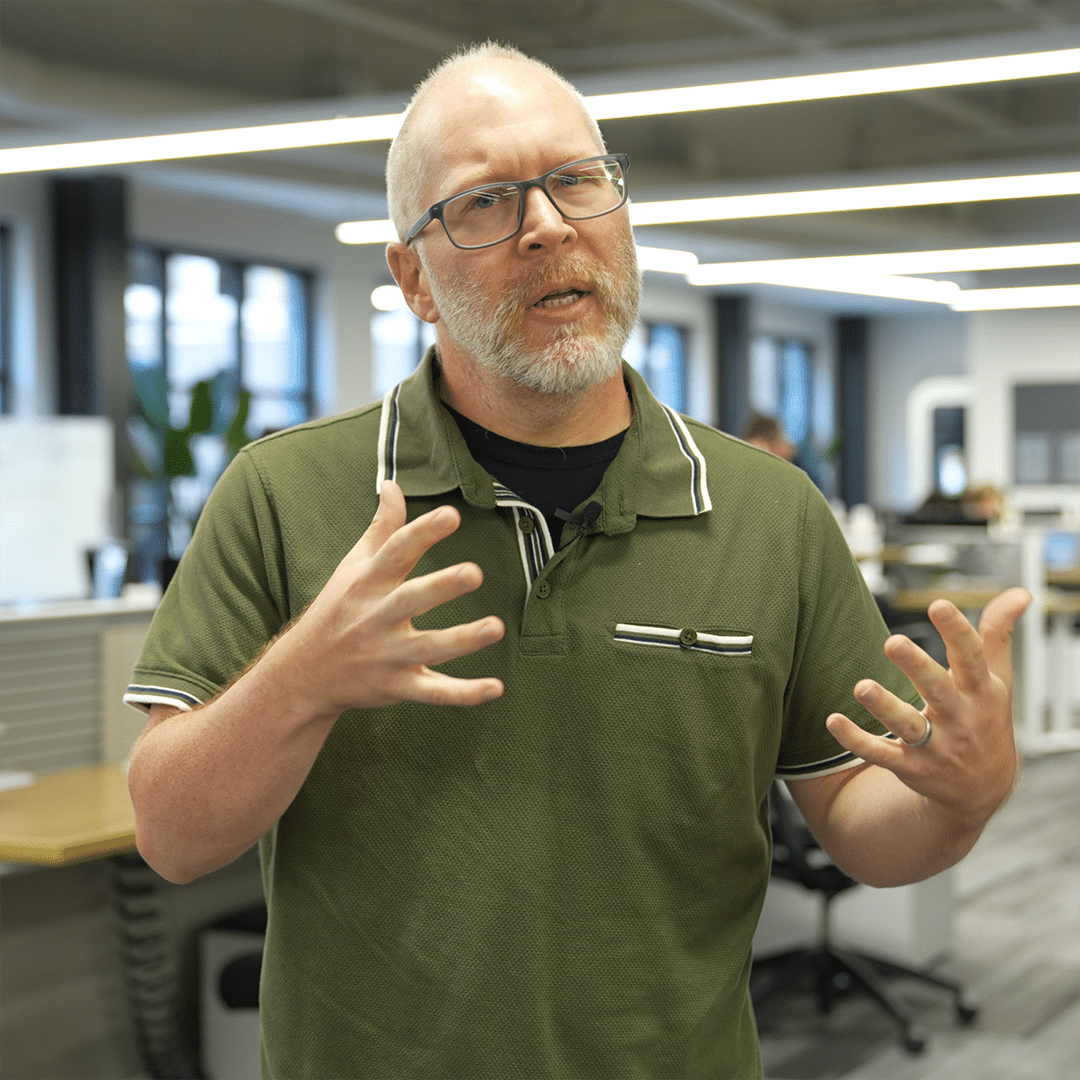
Our guest today is Bradley Adams. Bradley is the assistant manager for public relations of power sports and products at Honda. And Bradley is a unique specimen in the motorcycle industry because he grew up around motorcycles, but he wasn’t actually allowed to ride one until he was 13 years old. But once he did, kind of the rest was history. He was in racing and then he was in public relations and riding and then finally found his way to the OEM where he now does a lot of events and product launches. And in this episode, he shared some experiences as well as his perspective about what makes those things really work. So I think you’re really going to like this one, especially if you are into launching new products. Enjoy.
(01:19):
Bradley, we’re excited to have you on the show today. Thanks for joining us.
Bradley Adams (01:22):
Yeah, thank you. Thank you for having me.
John Gough (01:24):
So you and I have chatted a few times since we met a couple of months ago. And one of the things that I’ve been excited to have you on the show and talk about is products and product launch, what’s going on in your world. But before we dive directly into all of that, can you orient the listeners a little bit to what your world is, what your role is and what the organization expects from you today?
Bradley Adams (01:45):
Yeah, absolutely. So oversee the press department for power sports and products on the Honda side. The biggest role there probably is with PowerSports. That’s where a bulk of our product is. And we’ve got new product coming out all the time. So from our end on the press department, the goal is to get as much information out on those products as it’s possible. And then at the same time, create experiences, events where we can have media out and experience the product so that they can spread the word on how the bikes work, what the main goals were for Honda and introducing that product. And then at the same time, we’re doing all of that on the product side as well. We had some really cool stuff over the last year on the product side, which was the introduction of battery-powered lawnmowers and battery-powered ZTRs, as well as an autonomous ZTR.
Kyler Mason (02:36):
Is ZTR a zero turn?
Bradley Adams (02:39):
Zero turn. Yep. Yeah, exactly. Yeah, the ride-ons. Yep.
John Gough (02:42):
Your world is kind of over all of those things, but like so many people in this industry, you were a motorcycle rider first.You’re a biker, found a role that fit your passion. Talk about that for a sec.
Bradley Adams (02:57):
Yeah, it’s so funny because I grew up at the racetrack. So my dad was a pretty successful racer on the West Coast, and I was at the racetrack. It was at WSMC, so it was the third weekend of every month. We didn’t do family vacations. We were at the racetrack. Funny enough, my dad didn’t let me actually ride a motorcycle until I was about 13. He saw friends of his that were at the track and they had kids coming to the races and they had casts on, broken arm here, broken leg there. And he’s like, “I don’t want that for you. ” So ironically, he said, “You can’t ride a motorcycle until you can fit on a Honda XR-100.” So it’s always been Honda for me, which is kind of funny, but yeah, XR-100 was my first bike. And from there, it was just full steam ahead.
(03:40):
There was a race series. Actually, it was the race series where John Hopkins got his start. They had a class for XR-100. So I rode in the dirt for maybe two or three months, and then pretty quickly my dad had converted it to a little road race bike, and we went basically mini road racing. And then yeah, I was out at Willow Springs probably from the time I was about 15 till I was 21, moderately successful in racing, but it was just so much stress for me. If I wasn’t winning, I wasn’t having fun to be a successful motorcycle racer. I think the fun part is so key to it. And I always said, “I would love to have a career in the motorcycle industry.” I just didn’t know what that was. I just kind of meandered my way around a little bit. My dad had done some testing for a competitive manufacturer, let’s say, and he kind of got me a little bit into the testing role.
(04:31):
And I helped out a few other manufacturers with some testing on the sport bike side, and then that led to, there was an opening at Sportrider Magazine, and they had an opportunity as an associate editor role. And I came in, I said, “I have zero riding experience, but I do know how to ride a motorcycle well and kind of understand and be able to communicate what’s happening on the bike.” So they’re like, “We can teach the riding part. The riding part’s a little bit harder.” I never looked back from there. It was an awesome opportunity. And that led into, after a couple years, a role at DecycleWorld. From there, I was really happy at CycleWorld because I got to ride everything, adventure bikes, cruisers, and still the sport bikes. So that was a lot of fun. But Chris Johnam, Johna Media, an agency that we use at Honda still for PR support.
(05:16):
He was starting up a PR agency and he said, “Hey, we’d love to have your help as we can get this thing going and working on the Honda contract.” And I was really excited to see the industry from a different side. So I went away from the media side and into PR and yeah, kind of transitioned over the years since then, but that’s kind of the path that’s brought me here.
John Gough (05:37):
I am surprised to hear you say that the writing writing part was the part that they were more willing to teach them the riding part. Is that consistently true for you as you look across the industry? Are you able to tell these guys ride these guys down?
Bradley Adams (05:54):
Yeah. It’s so funny because I’ve had people, coworkers at different magazines over the years, and I’ve realized there are just two distinct paths. There are those of us who grow up at the racetrack, and that’s what we know how to do is ride motorcycles, and then we figure out how to do the writing and the reviews. And I had other people where they grew up hanging magazine articles on their wall and they said, “I want to be an editor.” And they went to school for journalism and their whole goal was to work for a magazine. And I think it’s kind of two approaches, two ways of getting to the same job. And I think you just offer something a little bit different. I think there are some brilliant riders out there who write really well. And then there are people like me who maybe don’t have that necessarily.
(06:39):
I’ve worked on it over the years, obviously, but I have this ability to really understand what the motorcycle is doing and communicate it through all of the racing and testing. I mean, as a racer, your job is to go out, figure out what the bike’s doing, come back, tell your mechanic so that you can make changes. And so that really has suited me well. It suited me well in the testing position, especially at Sportrider. And so it was really important to be able to relay and be honest with what the motorcycles are doing. So it worked out well for me, but there’s people that have been super successful go on the other path too.
John Gough (07:13):
Do you find opportunities to pluck and put people in the different … You were talking about events, for example. I imagine that there are some events where you’re like, “I need a rider to come and stand and talk about this thing versus I need a professional communicator to be on this particular stage.” Where do you …
Bradley Adams (07:31):
It’s constantly evolving actually. And we see this today as we look to put events together and we’re looking at potential attendees that come out. It’s really interesting because how much things have shifted with YouTube and vlog style videos, there’s a lot of the folks now that are producing motorcycle reviews on YouTube and they just have a completely different personality. I like to think of it almost in a way as when I was writing for magazines and I think writers in general, you almost kind of hide behind your byline a little bit, right? It’s just your words speaking. Whereas when you’re hosting a video, it’s so much about your personality. You got this camera that you’re holding right in front of you, and I think you got to have a little bit of a different personality for that to be successful and for it to be engaging.
(08:18):
So almost kind of look a little bit at that now when we’re putting events together and thinking of attendee lists. It’s like, who are those folks who are so comfortable making these YouTube videos? Because let’s be honest, I mean, that’s where the bulk of the audience is nowadays, is they’re going to YouTube to watch their reviews.
Kyler Mason (08:35):
You can be a great writer, but on stage, that could be a totally different story. A question for you about, when you stopped racing, did you have to take a mini retirement? Did you have to decompress or did you move right into more casually loving it? What was that relationship like?
Bradley Adams (08:54):
It was a slower transition, I would say. At first, because there was so much stress and anxiety around racing and the result, it was nice to have that little bit of a break. And then where I was out at WSMC, you still had to race once a year to keep your number. And I was really happy with the number that I had had at the time. So I’d go out and my dad had a couple little smaller displacement bikes. I’m like, “Yeah, just come race one of these.” And it was a lot of fun. But I will say the absolute best thing that happened to me was going into that journalism career and working at Sportrider because I got to ride all the time. I got to ride all these bikes and I didn’t have the pressure of racing. So I got kind of lucky in that.
(09:36):
I never had those kind of withdrawals because I pretty quickly transitioned into that new role and I was getting to do all the things I loved without the things that I’d hated about racing. That’s
Kyler Mason (09:47):
Crazy.
John Gough (09:48):
Is that so part of the gig now? I was like, “Oh, I better go get on this brand new thing that no one’s allowed to see yet because I’m going to have to know everything about it. ” Dang.
Bradley Adams (09:58):
Yeah, for sure. I mean, I’ll be honest, I think you guys know it. There’s a lot of busy work nowadays, now more than ever. So there’s a lot of time behind a computer, but what I have found in recent years and a little bit the older I get and more relaxed I am in my riding adventure bikes and just getting out for an adventure and just exploring. I think that’s the best use of a motorcycle is just being able to go out and explore new areas. And so that’s probably what I enjoy the most for sure. We’ve got lots of, we’re constantly bringing out new technology. E-Clutch is one of those things and making sure you’re fully up to speed on it is obviously really important in experiencing the product so that you can talk about it and understand it and understand when other people are kind of giving you their feedback like, “Yeah, no, I agree with that.
(10:43):
I experienced that as well.” Or, “Oh, but did you also notice this? ” So yeah, luckily we’ve got pretty big lineup at Honda here, so I got plenty of bikes to choose from, which is cool.
John Gough (10:54):
So our audience ranges from RV to Marine, the commercial vehicle, and obviously power sports. But people who don’t know what an adventure bike is, give us the pitch.
Bradley Adams (11:04):
An adventure bike is an on- road kind of focused motorcycle that’s very capable off-road. You can do a little bit of everything with it. Now they started to grow in size, but now you’ve got a little bit of everything. You’ve got smallboard adventure bikes, you got mid-displacement adventure bikes and large displacement adventure bikes, whether you want to travel the world or just have a fun day outing where there’s no limits to what you can go do and explore, whether it’s highway, paved back roads or some mountain trails somewhere. So it’s something that just gives you ultimate flexibility in what you’re doing. They’re great travel bikes and yeah, great ways to just get out and explore.
John Gough (11:44):
You have a Saturday that you can go kill any way you want and it’s that like, I’m going to take my adventure bike and I’ve got somewhere near my house that I can go and do all of those three things or do you actually have to make a trip to make that work?
Bradley Adams (11:59):
No, it depends on, I actually just moved recently from California to Georgia, so the dynamic’s a little bit different. What I found in California, especially you’ve got so many desert, the big deserts out there. So what I love doing is riding down the highway and whenever I’d see some dirt road that escaped off into somewhere, I’m going to go check that out. I’m going to see where that’s going. And that’s the beauty of adventure bikes. And what I love most is not having, knowing, have a rough idea of where you want to go, but know that whenever you see something and you’re kind of curious where that road leads to, just go check it out.
John Gough (12:35):
So I’m just sort of fascinating. We do a lot of thinking and talking about product launch. We talk a lot to both OEMs and dealers, but you are in this product launch cycle all the time, I imagine. Product launch has got to be one of the, what, 80 / 20 of your job. Is that fair?
Bradley Adams (12:54):
Absolutely. Yeah.
John Gough (12:55):
So when you guys are thinking about product launch on either side of the business, kind of peel back the curtain for us a little bit about what is your perspective? What’s the moment where you come in and is it always feature first? Is it what’s new? Is it voice of customer? What’s your entry point to thinking about that?
Bradley Adams (13:13):
I think the main thing is what is the story behind this bike and how do we create an event and experience that helps tell that story? Who was this bike designed for? As an example, we just had a launch for the Rebel 300 eClutch, which we’re super excited about having that in the lineup. And we recognize, okay, the benefit of eClutch specifically is being able to help riders as they ease their way into motorcycling, maybe newer riders, maybe it’s their first motorcycle, and they’re just looking for something that’s easy transportation around town, right? A great bike for getting around the city. You’re not going to go on big tours with it. It’s still a Rebel 300, but it’s a great tool for navigating your hometown, riding to your college courses, going out on a Friday night, experiencing your town. So we said, “Okay, how do we tell that story through an event?” And what we ultimately ended up doing was having a launch in downtown LA where we did this, we called it a tour of LA.
(14:13):
And so we started at the bike shed down there in LA, a really awesome place that I encourage everyone to go check out. But we had this route that took us all through LA past Dodger Stadium and Griffith Observatory. Just get to see your city that you’re in and lots of traffic and you’re showcasing then the benefits of eClutch. That’s what helps media understand the product. And then I think that ultimately comes out in the stories or videos that they produce. So what’s the story of the bike and how can we create an event that helps tell that and kind of support that messaging?
John Gough (14:47):
How closely connected are you to product managers, engineering, like the people who are designing and imagining the bike as you’re getting ready to do that kind of thing?
Bradley Adams (14:58):
Depends on the product itself. One of the things that is really important to our business is Four Wheel, Side-by-Side and ATV. And we do do all of the development for those products in the US. So a little bit more in that case, and you’re able to talk with the design team with the product that’s designed and developed overseas in Japan, a little bit less so, but we still have some really great opportunities. In some cases with off-road product, we can send an email to an engineer and say, “Hey, what was the though process on this or can you confirm this? ” Again, it’s a little bit more of a closer relationship on the US product, but overall, I think we’re lucky as a company to be able to, on the press side, get to work with those engineering folks as well.
John Gough (15:40):
Yeah. Is there a feedback loop that you guys … I mean, you’re obviously market facing and getting a lot of first contact and listening obviously closely to the media and what the reviews are saying. Is that part of your responsibility to feed that back to product or do they have their own sort of listening channel for that?
Bradley Adams (15:57):
Definitely when it comes to product reviews, we’ll do a report after any of the events that we host and do a little quick recap and here’s the main things that have stood out in terms of positives, negatives. Using CRF as an example, the engineering team is constantly looking for feedback from shootouts when magazines are going out to the track and they’ve got one of every competitive model and back-to-back comparisons and ranking the bikes and they pay a lot of attention to that especially. So we’re constantly sending them reports from shootouts and they’re taking that feedback. I think that’s one of the best things that you can do as a company is you’re taking the feedback from consumers, from media and trying to find the next development cycle.
Kyler Mason (16:46):
I want to hear more about the shootouts and those moments. What’s the anxiety level? Tell us about what the organization and the teams working on those products are doing when waiting for those reviews.
Bradley Adams (16:58):
I’ll back up by saying it’s so incredibly important to us that we put a lot of work in ahead of time. So we’ll bring out test riders out to different tracks, look for different setups so that we know what adjustment’s going to do what when a media outlet, when a guy’s out riding, Glenn Helen, he comes in and says, “I’m kind of feeling this. ” They kind of already know the techs know what direction they can go with it. So a lot of work gets done ahead of time. And then, well, it’s actually, it’s kind of a funny story, I’ll say. I talked a little bit about my dad helping with testing in a testing role for another manufacturer back in the day, and they literally had a program where they would take, in that case, it was a Kawasaki ZX10, and it was him and a tech would go to basically every track in California, try and bring every different tire that they could possibly have for a shootout, and they would find suspension settings for that track with that tire.
(18:01):
So then when a magazine outlet came to them and said, “Hey, we’re going to go do our shootout at this test.” They knew exactly what settings to have in the bike, they knew how the bike might react and what they might need to do throughout the day. And yeah, a lot of emphasis is put on shootouts as a whole because that’s where, I mean, if a consumer is shopping, they’re cross-shopping multiple models, let’s say it’s motocross models are looking, which of these 450s is best? And they can go straight to a shootout where the media guys rode every single bike back to back in are ranking them saying like, “Whoa, very clearly that one’s the best.” So a lot of emphasis on that.
Kyler Mason (18:42):
It’s a lot of time and money spent on a huge moment that can change the trajectory in a big way.
Bradley Adams (18:51):
Absolutely.
John Gough (18:52):
Would you say that that’s a more important moment than a launch or a reveal?
Bradley Adams (18:58):
Good question. To an extent, I want to say yes. I think a launch is building the foundation for people’s thoughts and opinions on the bike, but I think that’s where they’re just starting to, they might have some interest. They knew this bike was coming out, now they’re seeing the first ride reviews and I think they’re building that interest, but there’s nothing like a comparison where, again, a media outlet or a YouTube person has compared, they’re riding the bikes back to back and say bike A is better than bike B for this reason. So in some ways, I think shootouts and comparison tests are more important and I think probably are a bigger factor in terms of sales. Yeah.
John Gough (19:41):
I’m wondering if a marketer off the street and you put them in a role next to you and they’re like, “Great, I’ve launched products before. I get it. ” They’re going to put their energy into that moment, the big
Kyler Mason (19:52):
Reveal
John Gough (19:52):
Moment and without the context that you just shared, maybe not understand like, “Actually, dude, this is the thing that we need to pay attention to. ” What else would surprise them, do you think?
Bradley Adams (20:04):
What else would surprise them? I don’t know. I don’t have a solid answer for you on that one. I’ll be honest. One of the biggest challenges that we have is just that final conversion to sales and making that connection of how do you show that either this event or this comparison test really is the thing that made somebody go and purchase the bike. And I think that’s one of our biggest challenges, and I’m sure you see that across multiple different industries, but there’s other things that are super important to us like demo events. One of the things we’ve really stepped up this last year is doing what we call dealer demos. So taking full fleet of bikes out to dealerships and letting people come out and try the product because that’s huge also in terms of conversion. But yeah, I think that’s the biggest, I don’t know if it’s a surprise, but the one thing that we have found is that there is that difficulty of understanding where that conversion actually happens.
(21:04):
When you convert people from interested to buyers, and that’s tough.
Kyler Mason (21:08):
Let’s know if we figure it out. Outside of the story platform and the event that you’re going to use to launch and the experience that you want to curate, are there other tactics that you’ve seen work well in the life cycle of a launch that are maybe not so event-driven like you were describing?
Bradley Adams (21:28):
No, I would say the materials that we produce are incredibly important part of that puzzle just because in so many ways I feel like we’re the middleman between the engineering team and the media and we kind of have to figure out what to filter and how we package that information up to present it to media to help tell that story and make sure that they’ve got all the information that they want. And it’s definitely the least sexy part of an event or any activity that we do is, let’s sit around this table now and we’re going to talk for an hour about this product, but that’s an incredibly important component there and figuring out how we have as much information as is possible from the engineering team itself, the development team to fully understand the product, what changes there are, why they made those changes, and then be able to package that up in a way that’s easily digestible from a media side so that they have all the information they need to put their stories or videos together.
Kyler Mason (22:29):
It’s everywhere right now, but I’m curious, are you experiencing or experimenting with AI at all in how you’re launching products or getting consumers to engage in your new products?
Bradley Adams (22:41):
Absolutely. Yeah. No, absolutely. It is a big focus for Honda going forward. They’ve actually starting to kick off a new department that’s kind of focused on that, how AI can support business development, but also how we’re interacting with consumers. A couple of folks from our advertising marketing team just recently attended a big seminar with Amazon to talk about what they’re doing in that space and trying to pick up as much as we can. And then obviously from a content creation side, there are, I think, a lot of opportunities there as well. It’s a little bit sensitive when it comes to content generation because people still like the idea of you going out and showcasing the product in a real environment. That’s not always possible, especially when you look at the cost of photo video shoots, things like that. But I think used wisely that AI is an incredible tool that can be used, have benefits across all of the different things that we do, whether it’s asset creation, whether it’s any business development stuff, all of that.
(23:41):
Yeah.
Kyler Mason (23:42):
Tell me more about what you mean by business development.
Bradley Adams (23:45):
I think just looking at efficiencies, how we operate, how we’re using our resources, I think it’s an incredible tool for that.
John Gough (23:51):
You mentioned these dealer demo days, you’re taking the entire fleet sounds like, or an entire segment down to the dealer and letting people ride all of the different bikes. And we’ve heard that from other OEMs in the past, that they would go to a dealer and one in particular would probably be like, “You guys aren’t selling as many of these things as you should based on our modeling or based on the number of leads we’re sending you or something like that. ” And you get in and you start talking to sales guys and they’re like, “Well, we’ve never even really rode the bike. We don’t know that much about it. ” And that moment of recognizing that the dealer is actually your most important influencer, you’re end of the line influencer. You can read whatever you want, you can see whatever you want on YouTube and get really committed to something and you get in front of the dealer and they’re like, “Man, that thing’s garbage.
(24:39):
I would never look at one of those.” Not a Honda, but some other OEM, obviously.That can really deflect a customer in that moment. Be like, “Oh, wow, I’m not going to trust YouTube, but I’m going to trust this dude who’s standing right in front of me. ” And I think you all turning the key for the dealer really importantly in that these guys need to know and understand and love the experience of riding us. Is that you on the ground with the dealers doing those things? Are those RSMs? Who’s in the parking lot when those things are going on? So
Bradley Adams (25:09):
One of the things that we do is, and it’s not for every event, but for sure for key models and new models where we know it’s important for the dealer to have that experience and knowledge on the product is we will extend, for instance, our press event, it’ll transition after our press component into a dealer component, and we’ll make sure that we’re getting dealers out there to experience the product, to go through the same presentation that the media has, so they’re understanding all of the changes and why those changes were made, what it means for the product, and then get to actually experience the product. So we will do that. Incredibly important, because you’re right. I mean, it’s that communication, that information share, and making sure that they’re the ones that are communicating with the customers on the showroom floor, that they fully understand the product.
(25:56):
They’ve experienced it. We did something, I guess it was almost last year at this point, but we launched CB 1000 Hornet and CB750 Hornet. We had an opportunity where we had our two waves of media come in, do a full ride experience, and then we brought key dealers from around the country and let them experience the product so that they can go back to their dealerships, talk to their sales team and say, “Yeah, this is what I experienced. Pike’s incredibly fun. It does this well, it does this. Oh, you didn’t know about this feature, but this is here. I learned this in that presentation, that not so sexy presentation.” And yeah, we’ll absolutely do that. It’s part of our working with our sales group that more has that relationship with dealer compared to us on the media, the press side. But yeah, work with them, say, “Hey, we’re doing this event.
(26:44):
What can we do to support you guys?” And I think that’s big to be able to do for sure. Do
John Gough (26:48):
You have other important dealer contact moments that you feel like your group or your team is responsible for making sure that the sales channel at the end of the line really gets?
Bradley Adams (27:00):
Yeah, it’s a little bit of a separate department, but I think over the years, Honda as a whole has really focused as much energy as possible on making sure that there’s that really great line of communication. So now it’s really cool. The PR agency that we work with on the press side, they help with some of the materials for dealers as well. So we’re using all of the same assets and materials information that we might include in our feature and benefits documents on the product that is accessible to the media outlets that gets packaged up in a way to then get sent out to dealers as well at the same time. So they’re understanding the product and there’s been a lot of focus on that for us, is making sure that we’re educating dealers on the product and that they’re not in the dark in terms of what some of the key features are or the change points on a product and that they fully understand the product.
(27:55):
It’s incredibly important.
Kyler Mason (27:57):
So curious for you in the realm of just big launches and press events, is there a bucket list sort of like you’ve always wanted to launch in a certain way or do a certain type of event or experience that you haven’t gotten to do yet?
Bradley Adams (28:12):
Yes, a hundred percent. But no, the biggest problem that we have is product launches are so, they’re seasonal. So it really depends on when we’re going to have access to the product and because our biggest mandate is that we need to do a product launch as close to the date when product is going to be on showroom floors because the goal is someone reads an article, a review, they watch a YouTube video, next day they can go to the dealership and buy the bike, by the side by side, whatever it is. The last thing we want is product to be sitting on showroom floors for a month or two before then we do a media event and generate some buzz around it. It doesn’t help dealers at all of the products now have been set. And so we get put into this corner there where it never fails.
(29:08):
It’s January or something and we’re like, “Where can we do a launch?” Well, guess what? We’re not going to New York to do a ride through Times Square on a Rebel 300 E-Clutch. It’s just not going to happen.
Kyler Mason (29:18):
Is
Bradley Adams (29:18):
That on the list? California back to the California. I would love to. I actually really would love to go to Canada. I think there’s some really cool stuff that we can do up in Canada.That would be like a bucket list one. I think if we were somehow able to make that work, but not so easy getting product over there, but not that it’s not doable, but I think there’d be some beautiful adventure bike stuff that you can do up there. That would be cool.
Kyler Mason (29:41):
That is sweet. What is your take on teasers? Kind of long timeframe teaser before you’re fully announcing all the product details. Do you think that those are effective? Do you like to use them? What’s your stance there?
Bradley Adams (29:56):
100%. Yeah, I think we, especially, I mean, you look at Society now and people’s attention spans, you just kind of got to keep their attention because any big gaps, they’re off distracted by the next thing that they’ve scrolled past on Instagram or the next video that’s come up on YouTube. So I think getting them excited early and keeping them engaged through that kind of launch process is incredibly important. Yeah, absolutely. A big fan of teasers. Yeah.
Kyler Mason (30:24):
Is there a too long of a timeframe to start? Like what’s the right amount?
Bradley Adams (30:31):
Yeah. I would say off the top of my head, maybe anywhere from four to six months. Yeah, a year out. Yeah. I mean, again, thinking about attention spans and where people are, I mean, people are, especially when it comes to something like power sports where it’s such a passion thing, it’s not necessarily always a need. It’s like when they’re excited, they want something now. They don’t want to be teased for a year. It’s like, “No, I’m going to get it now.”
Kyler Mason (30:56):
But you want them to hold onto their money until then.
Bradley Adams (30:58):
Right. Yeah. Or maybe build up a little bit cash flow so then they can be ready to buy something. But yeah, yeah, get them saving. But yeah.
John Gough (31:07):
I mean, I remember some bikes at the AIM show last January, I guess. Some of the OEMs were still showing concept bikes that they had had the year before and they brought the same bike back and it still wasn’t available to launch. And so it sounds like your take on that is probably too long, probably not working.
Bradley Adams (31:27):
The problem is, and this is the really interesting thing about, I guess probably life in general, but in our industry specifically is you never know what’s going on behind the scenes. And you can make these assumptions, you’re like, “Oh, why didn’t they just bring that into production?” But there’s so much that goes into bringing a product to market. You think about all the regulation standards that you have to meet and the testing and the durability testing, quality control stuff that all has to be done to bring quality product to the market. And it takes time. And there’s unexpected hurdles of things that you could have never expected to go wrong and supplier issues and you just never know what’s holding things up. And that happens. It absolutely happens, but you’re just always kind of doing your best to manage it and hopefully keep a project on the preferred timeline.
(32:15):
But don’t always happen, that’s for sure.
John Gough (32:17):
I have a segment question that’s really specific about Ahlanda because you guys have a product that I’ve sort of always loved. And then I’m watching what I think is the segment grow a little bit here in the US, but in your minimodo segment, I’m kind of in love with the Grom. Is there a story that you could share or tell us about how you all are seeing that segment evolve where we launched this one and we got a great reaction, so we’re starting to expand the product line.
Bradley Adams (32:43):
I didn’t even work at Honda at the time, but I’ve heard this story about the first time they had a new product meeting and showed the Grom and everyone was like, “Oh, that’s cool. Yeah, that’d be neat.” And they started putting the order quantity in for how many we’re going to import to the States. And I don’t remember the numbers, but it was so low. It was so small because they didn’t know what to expect, but also could have never expected that the Grom would be as popular as it ultimately ended up becoming. And when the way that people gravitated towards it and aftermarket companies and this whole category that it helped build, they could have never, never have guessed that it would become that. So yeah, the order volume on Groms initially was so small. And then pretty quickly they realized like, “Oh no, this is a thing.” And so yeah, it just picked up from there.
(33:35):
And I think that’s when there was that realization, oh, we can do more in this space. And I personally love, absolutely love what the company has done in that Minimodo space. I think it’s so cool in that the sense of community that is around Minimotos. I mean, you can go back and you can look at Ruckus. Ruckus had already kind of built that sense of community. I think a lot of people have gravitated from that. So it’s always kind of been there on the Honda side. And I mean, that’s what really some of Hannah’s biggest early successes were, Super Cub and small displacement, that idea of introducing people to motorcycling on these unintimidating bikes. And so I think it kind of brings that story full circle and it’s really cool. But yeah, I don’t think we could have ever expected the success that we would have with Minimoto.
(34:20):
And I love the lineup now because we’ve got a little something for everybody, whether they grew up on a trail or they’ve followed Minimodo racing over the last couple of years, they want to go race a Grom, got a little something for everybody. Yeah.
John Gough (34:33):
Yeah. Yeah. The styles are great. They’re fun, just great size, and they are unintimidating. In terms of entry level, get on one and you don’t feel like you’re trying to haul 1,100 around. Some people struggle to even make it stand up at a stoplight. It’s just different game entirely. When
Kyler Mason (34:53):
Are you going to get one?
John Gough (34:54):
Well, talk to my wife. Maybe she’ll listen
Bradley Adams (34:58):
To that. Well, my next point that I was going to make is the one thing that’s great about them is their size. You need to put it off in the corner somewhere if you need. It doesn’t get in the way of the wife pulling the car in and out of the garage. Oh no, don’t worry, honey. It’s off over there on the side and we just pull it out.
John Gough (35:13):
Worry about that little motorcycle.
Bradley Adams (35:14):
Yeah.
Kyler Mason (35:15):
My roommate in college tried to hide his ruckus on the side of the house and left the keys in it one night and it got stolen.
Bradley Adams (35:23):
It’s no longer on the side of the house.
John Gough (35:25):
So we’ve talked a lot about the product itself. Are there other programs that you all are working on or thinking about that are trying to expand who is buying, how they’re buying, what they’re
Bradley Adams (35:37):
Buying? Yeah. So over the last year or two, there’s been a big focus on what we call our fleet sales program. So this is a way of kind of reaching out to commercial companies, government agencies, law enforcement agencies that need product in bulk. Imagine some big construction firm, they’ve got job sites around the country, whatever it might be, and they need 10 side-by-sides for their job sites that they’ve got going on, or whether it’s law enforcement agencies that are looking for to update their fleet and need new police bikes. We’ve got the NT-1100 police for that. We’re really proud of the products that we offer in terms of their durability, reliability. If you have a fleet of vehicles, the last thing you want is stuff that you’re having to work on all the time. So we think it’s an advantage of the Honda product. And so pushing that fleet sales program and excited to grow that, I think it’s a really cool way to get that product out there, whether it’s side-by-sides, ATVs, again, NT-1100 police, anything like that.
(36:41):
So that’s been a new program for us or a program that we’re really pushing over these last couple of years and excited to see that continue to grow.
John Gough (36:49):
Yeah. I think we’re more familiar with that from the commercial vehicle side, heavy equipment on road, off-road, those kinds of things. Is that something you guys are going directly to, municipalities, these large fleet organizations, or is that also still coming through a dealer network kind of contract for you?
Bradley Adams (37:07):
No, no. We’ve got someone in- house that is working with, whether it’s the agency, municipality, whatever it might be, and trying to make those connections. A lot of them, they’re going out to shows at Aim Expo. This year we had a representative there. We had the NT-1100 police on display, going out to police rodeos, talking with different agencies, and in that case with the NTA 1100. But yeah, just finding where that need is for product and making sure we’re there in that space.
John Gough (37:36):
Are there unique events that you guys are putting on in that space that fun, different?
Bradley Adams (37:41):
Not so much on the fleet sales thing. It’s a lot. I think every potential client there has different needs. So you’re trying to meet them where their needs are. And so it’s a little bit more focused on what their goals are and having that conversation direct with them rather than creating this big experience for folks. Yeah. Yeah.
John Gough (38:01):
Yeah.
Kyler Mason (38:01):
More business to business.
Bradley Adams (38:03):
Yeah.
Kyler Mason (38:04):
No fun allowed. Yeah.
Bradley Adams (38:05):
Right. Yeah. Yeah. Strictly business. Yeah.
John Gough (38:09):
Everybody needs to put on a fram while you ride this car.
Kyler Mason (38:12):
Oh, man.
John Gough (38:13):
All right, Bradley, you seem to think from a lot of sides. You’ve ridden a lot of these bikes. I think my question to you is more along the lines of someone coming into this industry and you want to give them a good piece of advice so that they can have as great an experience as you have. What’s the direction you want to give them?
Bradley Adams (38:35):
I would say motorcycling and power sports in general is such a passion thing. You just always maintain that passion for the industry, love the industry, love the products, love the experiences that motorcycles allow you, and just always lead with that and then have your work come in and support that. I think we are operating in a very, very … We’re lucky to be in a fun space. It’s, again, all about this excitement of motorcycling. So enjoy that and then just make sure your work kind of supports that.
John Gough (39:15):
Love it. This has been awesome. Thanks so much for coming on, man.
Kyler Mason (39:18):
Yeah, thanks, dude.
John Gough (39:19):
You win is presented by Element Three, a marketing firm focused on modernizing go- to-market strategies for manufacturers that sell through complex distribution channels. We help leaders solve problems across demand generation, sales channel support, and brand development.
Kyler Mason (39:35):
If you’d like more from myself or John, connect with us on LinkedIn. And for more from Element Three, visit elementthree.com. That’s elementthree.com.
Sharing Expertise
What good is learning something if you don't pass it on? You can tap into what we know right now – from dealer programs to determining brand architecture – and you don't have to give us a thing.
Understanding Mental and Physical Availability in Marketing for Manufacturers
How OEM Leaders Should View Their Marketing Plans