

Why You Win
Inside Marine’s Retail Ecosystem with Freya Olsen
This Episode
The success of any remarkable boating experience begins not with the engine, but with the dealers who guide the buyer.
In this episode, Kyler and John sit down with Freya Olsen, Senior Director of Engagement at the Marine Retailers Association of the Americas (MRAA), to explore how dealers shape the customer experience long before a buyer steps on a boat. After nearly two decades supporting manufacturers through Discover Boating and NMMA, Freya now works directly with dealers, giving her a rare, full-funnel perspective on what truly moves the marine market.
Freya shares how consumer expectations, pricing transparency, and category competition shape today’s buyer. She explains why dealer performance has become a defining factor in OEM growth, and how education, certification, and AI tools like Amy are helping retailers serve customers in unpredictable conditions.
You’ll hear how MRAA gathers honest dealer feedback, where the ecosystem still experiences friction, and what it takes to create a seamless handoff from awareness to retail. For anyone operating in an OEM, dealer, or B2B2X environment, this conversation surfaces the signals that matter when the market is shifting fast.
Key Takeaways:
- Understand Roles in the Funnel: Knowing when awareness hands off to brand consideration and then to retail improves the customer journey
- Support Dealer Education: Practical training for sales, service, and leadership helps new hires transition into the marine industry quickly
- Track Real Dealer Needs: Frequent outreach anchors decisions in actual pain points around staffing, service, and customer retention
Episode Transcript
This transcript was generated with the help of AI and may contain some errors.
Freya Olsen (00:00):
Just listen to your intuition. It speaks to you for a reason. It’s incredibly important. And not to be afraid to be out there and roll up your sleeves and solve problems for companies. I think that’s a lot of what executives are looking for in a next gen workforce is how can you help us solve problems? But listening to that intuition and not being afraid to speak up and take a seat at the table and offer your two cents.
Kyler Mason (00:26):
Whether you’re going to market through dealers, distributors, or some other partner channel, the mediated sale is complex. We call it B2B2X.
Freya Olsen (00:32):
But the leaders in the industry are the ones who are making it look simple. I’m John Gough
Kyler Mason (00:39):
and I’m Kyler Mason, and this is Why You Win, presented by Element Three.
John Gough (00:43):
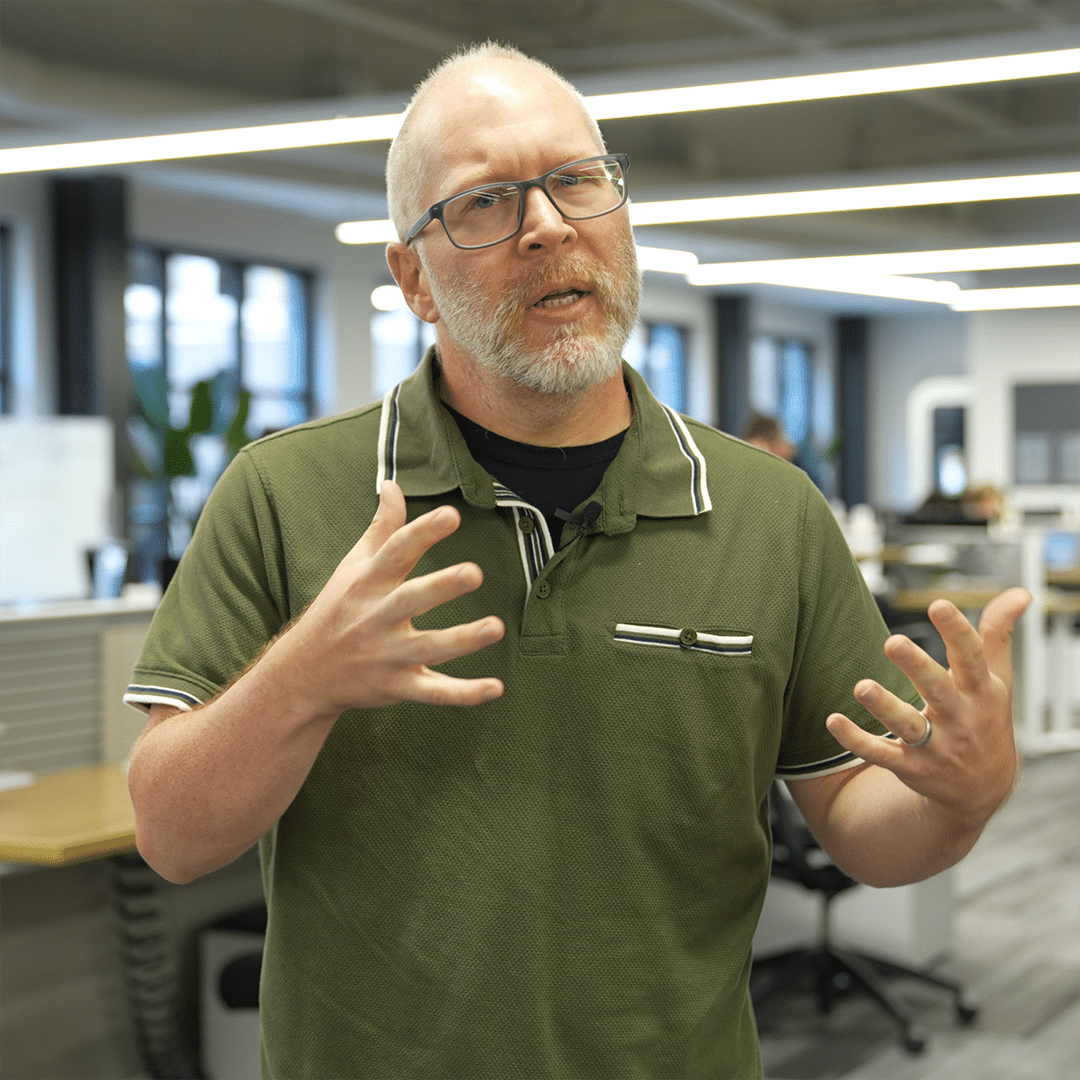
Freya Olson is the senior director of engagement at the Marine Retailers Association of the Americas. And like many people in this industry, Freya has been around boats her whole life. Unlike many people in this industry, she has been on every side of the equation. So she spent a long time working with the OEMs and a different association, and her work today is really focused on the retailers and the dealers. And so she has this really unique perspective about what makes the industry move, what drives attention in the consumer market, what the ups and downs look like and how to perform regardless of the situation. Freya has an infectious energy and a lot of great insights to share here.
(01:23):
You’re really going to love this one. One of the things that I really like about working in Marine, and I’ve had this experience in power sports too, is there are industries where people are born into and then they love it and they stay. And my grandfather built sailboats for himself. He was in his garage and it gave my father a love of sailing. And we had a sailboat when I was a kid and now we’re like canoe level boating. But I assume that’s for a season because it’s like, I’m from here, I live here, my kids do this all the time. It is as much lifestyle as it is profession.
Freya Olsen (02:00):
It is. There is a ton of passion in the marine industry. And I think that’s why, honestly, you hear a lot about people staying for decades at a clip at companies. And then when they leave that company, they take that knowledge and they take it elsewhere in the marine space. And I’m no exception to that. Spending almost 20 years working on the manufacturing side of the business, having the opportunity to transfer over to the dealer side of the business is something I’ve been very excited about. I think the passion fuels what we see in our space, the innovation, the excitement, the connectivity, the collaboration, the consolidation even. I think when the market gets soft, we see more and more companies getting kind of looped into larger conglomerates and they’re expanding those portfolios and they’re doing it in a way that makes sense for their business and driving what they can do as a larger corporation into these smaller businesses and helping them scale and expand.
(02:55):
And so I think most people get bitten by the marine industry bug and they stick around for quite some time. So it’s understandable.
John Gough (03:04):
Yeah. And it’s so interesting to hear how that innovation happens because I was talking to a guy at the show down in FLIBS a couple of weeks ago, he was telling me about how he and his dad started a boat company, which is just kind of a wild thing to think about if you’re not from the industry, to even imagine how are you going to start a fiberglass boat company. It doesn’t defies logic a little bit, but they did. And within just a few years, they sold the thing to Brunswick. They just got the right segment, they got the right audience. They were really thoughtful and they loved the product enough and lived in the product enough that they were able to have that fingertip feel for customer need and desire in a way that just let them ramp the scale in just awesome ways.
(03:48):
One of the things that I would love to know from you though is you see people come in who’ve lived in industry for 10, 20, 30 years, and they have that fingertip feel because they have the passion. You also see people come in from outside of industry, right? They were selling refrigerators last week and now they’re in a marine manufacturer. And sometimes the vibe is cool, you’re going to bring new thinking because just you’re not in the echo chamber. Give me your biggest pro and your biggest con. When you see somebody come in, what are you most excited about like them bringing in from the outside and what’s the biggest risk?
Freya Olsen (04:30):
I think the biggest risk, I’ll start with that, is probably not having complete and utter focus on what they’re trying to bring to market. Have they identified a need in a particular segment? Are they doing something that’s different from the other boats that are being built in that segment? Are they introducing something new as a part of that that the market really hasn’t seen before? And I think the pro is that depending on what they’re building, there are different price points. And you take like the center console category, for instance. So you can get a 16 foot center console power boat up to maybe even the 60 foot range. Obviously those models are wildly different, but I think creating the possibility for people to enter that product is a great thing.
John Gough (05:15):
It is a great thing. In an industry like Marine where it’s not cheap to get out on the water. It is a luxury and it is also a lifestyle. And there are lots of people who grew up in it and want that for their kids. And so making sure there are affordable options that don’t have to take a second mortgage on your home just to go get on a boat. The problem’s real and the opportunity’s real too.
Freya Olsen (05:41):
Absolutely. Absolutely. I mean, I think we’ve seen pricing change. And I was kind of thinking in context of this podcast and this idea of Why You Win. And I think one thing that has been a discussion certainly in the last couple decades is just the importance of pricing transparency. Even if you’re giving base prices at the manufacturer level, having that and being able to see that is helping people make decisions and helping people kind of explore brands maybe a little bit deeper and further than they typically would if they didn’t see a price. And so I know there’s been a lot of conversation around that in the industry. If you know anything about Marcus Sheridan’s an epic marketer, incredible public speaker, and he’s been beating that drum of pricing transparency, I think since he started talking to marine companies and the importance of it. And not to be afraid to put out a price on a boat.
(06:34):
Typically, you want to be able to understand what something costs. And maybe one of the misnomers around listing prices is that it’s going to somehow deter people. And I think it actually will draw them in because it’s building trust with a consumer. It’s bringing them into your world and it’s helping them understand the value of the product too.
Kyler Mason (06:53):
And the expectations of consumer behavior in other categories have sort of been set. So for that to not be congruent is a challenge as a shopper.
John Gough (07:04):
I think it’s sort of fantasy thinking, right? It’s like we’re going to pretend with our eyes closed that a consumer isn’t also looking at the marketplace website and already has a pretty good sense of how much it’s going to cost and what they’re willing to spend. And us hiding the price of this thing and pretending like they don’t know basically what it’s going to be is just like, I don’t know who we’re fooling.
Kyler Mason (07:28):
Freya, could we take a step back for a second? Could you help us with your career arc so far and like land on where are you now? What are you doing? What are you responsible for? Let’s do a little orientation there.
Freya Olsen (07:39):
So right now I’m working as senior director of member engagement for the MRAA. And MRAA is of course the Marine Retailers Association of the Americas. We represent about 1,200 dealerships in North America in our membership and 180 partners. And our mission ultimately is fueling dealer success. And I joined the team, gosh, it was August 2024. So been here just about a year and a couple months and have loved it. Incredible, passionate group of individuals who are so focused on the health and wellness of dealers across North America. But speaking of associations, I’ve been boating, sailing, power boating my entire life. Knowing that I had all that passion for the marine space, it never really occurred to me that could transfer to a desk. And so out of college, I took a sales job and had that for about a year. And then a friend of mine was working at National Marine Manufacturers Association and I joined the team there.
(08:40):
I worked for about a year in the capacity of an integrated marketing coordinator. And around end of 2004, beginning of 2005, there was a lot of industry discussion about trying to change the trajectory of the boating industry. There had been a decline recognized since probably the 90s, early 90s, and there was kind of this call to action is, as an industry, we need to get together and we need to fix this. And so Grow Boating and Discover Boating were really conceptualized at that point. And there was a need for someone to help manage the program, manage the stakeholders in the program that were part of NMMA membership. And I stepped into that role January 2005 and was there for just over 19 years. And really, really incredible organization, had a great opportunity to connect with hundreds and hundreds manufacturers over that course of time and really get to know their business, but help them to understand the objectives of what Discover Boating was doing at the time and make sure that they understood the importance of having a public awareness campaign that was getting more people on the water.
John Gough (09:52):
Can you talk about the impact about that? Because we kind of see across outdoor rec, we know about GoRV and PowerSports is sort of like going through it right now in terms of their observe, decline, their desire for collective action and industry action to kind of pick the ball up on that. And so I want to know way more about that because I think that there are people in the audience who would just basically sit at your feet and learn something about what you knew 20 years ago and what you observed.
Freya Olsen (10:26):
Yeah. I mean, I think that the evolution of that program has been constant and it’s still in a state of how do we best reach consumers? How do we best get them to prioritize boating as their lifestyle choice? How do we gear them up for that when they’re in those informative years of just learning and seeing boating lifestyle imagery and resources and things that are in the marketplace to, okay, we’ve reached a point where these people are maybe ready to make a choice and do they want to choose boating as their choice of recreation and how they’re going to spend discretionary dollars? When I think about it as a whole and as a snapshot, Discover Boating has done an incredible job of representing the boating lifestyle in a very positive light, connecting consumers to resources that help drive decisions and help move the needle in terms of participation.
(11:18):
Discover Boating has done tremendous research that I think has helped informed major decisions around market shifts in the industry and has helped a lot of companies. And I think again, leading up to chatting with you guys today, I keep thinking about, okay, why people win, why people win. And I think using and leveraging that type of research and changing your business because of it, even if it’s just small, it’s keeping up with what the consumer is telling you. And that’s an incredibly important thing to do to be able to stay relevant in the marketplace. It
John Gough (11:48):
Just is such a cool tie-in to your continued work in this world of association. Why would I want to be a member of that? How is that going to benefit me? Well, it’s sort of like, do you have an abundant mindset about that or is there a scarcity mindset? Is there a net zero or can we actually grow the pie? And if you believe that the pie can be bigger, then you want to participate in that kind of research because you being there and your peers being there means that everybody’s going to learn something. And the question about competitive advantage then becomes, can I make better decisions and can I use this research and my partnerships and my knowledge more effectively instead of just pretending like my competitors don’t know what I know? And it’s almost never true, right?
Freya Olsen (12:35):
Right, right. Well, and I mean, if you think about the outdoor space as a whole, there’s a lot of competition that boating is up against. And so having something like a dedicated industry campaign that is upheld by all of the manufacturers and all of the retailers who are behind it and supporting it and organizations like the NMMA and MRAA that are helping to guide the marketing efforts and the outreach, it’s critical to making sure that when people are thinking about, “Hey, what do I want to spend my money on? ” That they’re prioritizing boating.
Kyler Mason (13:09):
Where is there generalized tension in the direction versus like a competitive advantage versus the ecosystem that participate? Can you help on some of those things?
Freya Olsen (13:20):
Yeah. I mean, I think at a very high level, it’s understanding your role in the funnel and what responsibilities fall to you as a retailer, as a manufacturer, as an association supporting an effort like this. And I think in terms of awareness campaigns, Discover Boating’s an incredible example of it, but I think having a really clear understanding of what it looks like to get people in the funnel and where the handoff occurs at different stages in the funnel and who’s responsible for what. And I like to think of it from a very high level as these awareness campaigns are getting people thinking about boating, I want to explore this a little bit more. I want to go to a resource like Discover Boating and kind of go through the process of maybe deciding the type of boat that’s the right fit for me and really just kind of getting excited about the boating lifestyle in general.
(14:13):
But depending on the consumer, we don’t really know the timelines. It could be anywhere from a year to six months. So I think inherently understanding roles in the funnel and then how to best create the most seamless experience for that consumer.
Kyler Mason (14:27):
I think that the tension too can be good if you have an abundance mindset about it. Everyone’s in pursuit of hopefully growing the pie, improving the customer experience, and everyone has an opinion about their role in it. So that could be a good thing.
Freya Olsen (14:43):
Yeah. I think it depends also how decisive the consumer is. If they know exactly what they want, it makes it a little bit easier.
John Gough (14:50):
Now that you are on sort of a different side of that equation and thinking a lot more about the retailers, the dealers and the partners in that environment, what’s changing about your perspective? What’s new thinking for you about maybe what you’re seeing in the last year or so of your association lifestyle and your point of view?
Freya Olsen (15:14):
I’ve known Matt Gruhn, our president for some years now, and I’ve often heard him say this, but it’s never rang more true for me, is that the dealers are ultimately the people that are selling the boating lifestyle and the product, right? They’re out there pressing the flesh. And so in order for our industry to be successful, dealers have to be successful. How can we help these folks be successful in their own businesses? And I think I have a much stronger appreciation of what that takes because no dealer is built equally, right? There are dealerships that are single standing stores, they are family owned, they’re potentially having some workforce challenges, finding people in their specific region to come in and have some knowledge, and that’s difficult. And so I think ultimately what MRAA can do to kind of alleviate some of that heartburn and that pain point is by providing as much education, training, resources as possible.
(16:13):
So if you are bringing somebody in from the outside, say someone that’s worked in sales and automotive, it’s totally different selling a boat, right? And so we have a lot of that. We have a lot of that education and that training that exists within that can help them pivot in that space and become an effective salesperson in the marine space. But I think one thing that I’ve noticed is there is a very humanized component of being a Marine dealer. A lot of businesses are family owned generationally speaking and talk about passion. I think this is where some of the deepest passion exists in the industry is on the dealer side of the business. These are folks that just day in and day out are trying to create good experiences for consumers from nurturing them to inviting them to events at their dealership, to kind of having that grassroots relationship building and marketing efforts to bringing them in the door and selling them a product and that relationship doesn’t end there.
Kyler Mason (17:10):
Yeah. Talk about member growth and being in growth mode. I’m curious, what bets are you making? What’s going to enable you to grow? What are the things that you’re going to do in the context of Why You Win that’s going to help you grow and hit the targets that you guys have set for yourself?
Freya Olsen (17:25):
So when I think about what MRAA can contribute in terms of a dealership winning, I think ultimately for us, winning is about creating opportunities for others to win. We talk about education and training a lot. Our course catalog, I think, boasts a little over 120 courses that address any area of the business. You’re talking service and parts, you’re talking leadership, you’re talking management, marketing, certainly sales, ownership. One thing that we recognize about dealers is that a lot of dealers work both in and on their business, and that’s unique. And so we have to be able to give them the kind of training that if they’re not able to train their staff, the MRAA is going to do it for them. I think in terms of things that are on the horizon, we’ve had an AI feature to our membership. Our AI bot is called Amy, AIMIE, and she stands for AI for Marine Industry Education.
(18:28):
And so Amy was really ultimately developed to sort of provide a little bit of a concierge type approach to finding the education that’s right for your business. But I think as AI is gaining momentum in the marketplace, so everything that’s being put in here is specific to the knowledge base of MRAA, all the subject matter experts that we’ve worked with, courses that we’ve held at Dealer Week in the past, courses that we’ve held specifically throughout the year, education, training, all the tools, all the resources are kind of baked into her hub and we’re constantly feeding her so we can make sure that she’s helping people as much as possible. We’ve seen some shifts over probably the last year in how she’s being used. So it’s been really cool seeing from the back end kind of what those changes look like and how we can kind of inform ourselves internally about things we might want to be thinking about and introducing into our education platforms based on that type of feedback.
(19:31):
When we talk about education, one area that MRAA I think has contributed a lot to the success of dealers is through our certification program. So we have two areas of certification. One is dealership certification. So this is really intended for dealers that are looking to level up across the board. They’re going through kind of a soup to nuts annual experience of improving their dealership to the highest of standards. And separate of that, we started about a year ago, something we call position specific certification. So that’s really meant to acknowledge that sometimes a dealer is working really well, but they just had a complete turnover in their sales department and they’re bringing on a whole bunch of new people that maybe haven’t sold in Marine, but have been really successful selling elsewhere. And so they would be eligible to take our sales leadership certification course. We also have one for service advisor and service manager, and we’re going to continue to build out that program.
(20:36):
It’s done very thoughtfully. Everything that we build, and I think that this is something that helps us to remain successful in what we do and help our dealers remain successful is that everything we build in terms of education is by dealers for dealers. So we have this unique advantage of creating some of these task forces and committees and relying on our board to help be part of that development of education. It’s the ultimate way to build education is through people that are seeing this through their own lens every single day. Like most associations, we have an advocacy arm as well, and we have two individuals on staff who are working day in and day out to kind of stay ahead of the issues that might be affecting the industry, but specifically affecting the dealer. They work with other trade associations in the Marine space on more federal high level issues.
(21:31):
Anything that would prohibit or prevent people from getting out on the water, those are the issues that our team’s tracking and knowing that our members can pick up the phone and call any time and say, “Listen, we’re having this local tax issue, or we’re having this issue with an aquatic invasive species issues that we’re seeing that are preventing people from going voting.” And they have that one-to-one touch, which I think is so important and something that MRAA truly prioritizes is making sure we’re talking directly with the people that these issues are affecting and helping them remedy them in the best way that we can. In terms of kind of what our education looks outside of just an annual membership year, we’re coming up on Dealer Week December 7th through 10th in Tampa this year and really excited about it. Prepare for what’s next is the theme.
(22:25):
And through various surveys, we know from our members that Dealer Week is the number one benefit that they prioritize the most out of membership. And I don’t know the exact number, but I do know on the NPS scale, we fall into the world-class category in terms of education and experience, which is something we’re really proud of. And I think Dealer Week ultimately is this awesome opportunity for dealers to step out of their business. So it kind of silences all of that just for a couple days. And it gets people in this environment that’s rich with learning, rich with networking, a lot of opportunities for them to better understand the service providers, the product providers that are innovating all the time with the sole mission of helping them improve their business. It’s really cool to see dealers talking to dealers who have never met before, who are taking the time to really dig in and ask if folks are experiencing what they’re seeing in their marketplace.
Kyler Mason (23:26):
What do you think the hottest topics are going to be at Dealer Week?
Freya Olsen (23:30):
This is totally my personal perspective. I think AI is going to continue to be a hot topic. What we all learned AI to initially be has changed, right? I sort of initially thought of it as this is a call and response mechanism. I need an answer I’m going to ask you. You see that prioritized in Google rankings. It’s like all the things that we used to see when we would Google things and now there’s an AI answer captured at the very top. And so I think what people are considering more deeply and are going to be interested in learning is how AI can improve efficiencies and areas of your business by leaning on it a little bit more and finding appropriate ways to integrate it maybe with some of your systems or prompt it in a way that allows you to create some operational efficiency within your business.
(24:19):
So I think there’s going to be a lot of focus on that.
Kyler Mason (24:22):
I’ve seen some programming teed up for it, so you’re probably
Freya Olsen (24:25):
Right. Yeah, yeah, yeah. I mean, the title itself is meant to kind of capture the focus, a lot of the presentations preparing for what’s next. I think in the last, certainly in this decade so far, we have seen wild trends that have first of their kind with COVID. I mean, COVID made the entire marine industry like skyrocket. And I think that was kind of unpredictable. Nobody knew what was going to happen. When we were all kind of hunkering down at home and masking up, I think everyone kind of was on bated breath to a degree of what is this going to do to affect this industry? And then much to everyone’s delight, all of a sudden everyone wants to buy a boat because it’s kind of one of the best ways to have an outdoor activity where you have kind of a pot of people that you can be around.
(25:19):
And then subsequently, because of that and because of the high production and the high inventory, now we’re seeing a little bit of drop off in that and the market’s become a little bit softer and the economy’s been a little less predictable. And so it’s sort of bracing yourself for things could go either way. We don’t know yet what 2026 has in store for us. I know that there are some initial reports out on what we think discretionary income industries are, if they’re going to benefit or not, but it’s largely going to be around preparing yourself for what you don’t know is going to happen yet, but being able to react appropriately when reality comes through.
John Gough (26:02):
Yeah. Very consistent also with what we’re hearing on the OEM side about dealer behavior, right? Everyone’s cautiously optimistic, but we’re waiting to put in some orders before we … We’re waiting to see what happens before we put in all of our orders, which just like … I mean, it’s smart business, right? You have to be really thoughtful about where you’re going to allocate that floor plan and what people are going to be buying and going to want to buy. And so I think that means for dealers looking at data and tools and research that they get from organizations like yours and saying, “Do I need to make different choices in the next six months that are hedging bets? Or am I going to go all in on some places where I think that I’m going to be able to capitalize on other people maybe operating from a place of fear or less understanding than I have?
Kyler Mason (26:59):
Freya, tell us in your role specifically, what does the next six months look like for you?
Freya Olsen (27:05):
So the next six months is really about strengthening engagement across the board for our members with all of our member products. And I think I said earlier, we have an instance with a lot of marine dealers where they are busy working in and on their business. And so a lot of times education or training could be deprioritized amongst that, and that’s understandable and that happens. And so finding ways that we can kind of modify some of our member products and offerings to accommodate that, people that don’t have as much time and finding shorter, more concise ways that we can be delivering some of the tools and resources that we have so they can be taking those and kind of turnkeying those into their business. But I think it’s going to be a lot of listening. We’re always listening to our members. We always want to understand the challenges that they’re facing, making sure that they know that MRAA is here to support them no matter what it is that they’re facing, good times and bad, and helping them lean into certain products that we have even more and maybe in different ways, and most notably probably our AI product and really kind of leveraging that for dealers that have had difficult with workforce, what ways could we make some of that a little bit simpler for them or easier or not as laborious by having them lean a little bit more into that AI product and having that help them out.
(28:38):
But I think when you oversee membership, it’s all about engagement. It’s making sure people are using the things and value them and kind of evolving the products that we do have to make sure that they’re serving the dealer’s needs in the current market that we’re in.
Kyler Mason (28:58):
I have a super tactical question, but I’m curious on the back end of it. So you’re going to know the answer. So Amy, your AI agent, I believe is free on the website. Is that
Freya Olsen (29:11):
Right? So Amy is part of a membership structure. So we have three tiers of retail membership. We have bronze, silver and gold. You get some trial version of Amy at the bronze level, but when you’re in the silver level, you’ve completely unlocked Amy. And so you use her as you, please.
Kyler Mason (29:29):
As a way to grow adoption, I see Amy being potentially a really great route for that. And help me with orientation here. So I’m on the website and there’s a tab, you can go to Amy and you can test it out. What’s behind the paywall for each of those? Is there access or usage? What’s that look like?
Freya Olsen (29:53):
So there’s a limited number of opportunities to use Amy in the trial space. So if you’re at the bronze level or someone that’s not yet a member of the MRAA, you’re going to see just a limited view. She’s able to give you some high level responses. She’s not able to connect you to those specific resources where that knowledge has been pulled from. And that’s the benefit of having the upgraded version, that silver membership version, and also she expands upon what it is you’re asking, like any good AI bot, they’re going to come back to you with questions and they’re going to ask you, “Do you need more on this? Do you need more on that? ” And so providing direct links to courses that are in our learning management system, white papers and executive summaries that we have on our website, data that’s been collected in our pulse reports, because those pulse reports are member gated as well.
(30:44):
We share some high level insights because it’s really important for people to know the type of data and business intelligence that we have, but really kind of the meat and potatoes of it all is behind that member wall as well.
Kyler Mason (30:57):
That’s pretty impressive your speed to market there. Industries and outdoor rec and manufacturers and commercial, they’re trying to figure this out and you guys have a fully operational tool with tiers and access to resources.That’s pretty impressive given the timeline that we’re seeing just in our clients and things like that. I was just going to say, I think
John Gough (31:17):
It’s also a pretty clear strategic move on your part to say this is something that in some industries partners fill this gap and you all are saying like, no, we were talking about seats earlier. This is where the association sits. This is our responsibility to provide this kind of infrastructure to our members so that they don’t have to spend yet another subscription fee on top of it to get the AI layer that we can provide already with the information and probably better because of the data that you have.
Freya Olsen (31:52):
Yeah, absolutely. Absolutely. Well, and I think too, I mean, we’re kind of that connective tissue between the partners that join our organization and our dealers, and we have opportunities for them to be able to connect with one another through messaging platforms, but Amy helps aid in that as well and is able to give some high level information on partners and resources that we can connect our members to.
John Gough (32:16):
Yeah. I mean, and maybe this is not where you’re going with it, but it makes me think about how it keeps the bar really high for those partners. You don’t get to come in and just have an AI product and that wows people who are day-to-day moving boats around on the lot and making sure they’re clean and I’m not talking down on that at all. That’s the job. And because they’re not in that tech space all the time, they don’t know what’s the great version of this versus what’s the baseline version of this. And because you all are sort of standing as gatekeepers of that, there’s a version of the association that’s like, we’ve done a little bit of curation, but we’re like mostly a connector versus what it sort of feels like now. We’re like showing you best in class. And if somebody comes in with a kind of also ran AI product, your members are going to look at that and they’re going to look at Amy and be like, “Why would I get that?
(33:11):
I already have this.
Freya Olsen (33:12):
” Right, right. Well, and I think too, and like I said earlier, I mean, Amy was really established to kind of be this guidance of all the assets that we have on our site. And obviously she’s become smarter and smarter on that over time and we’re constantly beefing up her knowledge base. But I think second to that, people are starting to use her differently. So she’s starting to respond differently. And we’re able to see again on the backend the questions that people are asking. And I think people are getting smarter about the questions that they ask Amy. People are getting a lot more specific and I think that’s helping them leverage their membership even greater than they maybe were before.
Kyler Mason (33:52):
As we start to wrap some things up, I’m curious, in a pretty uncertain time, what are you most excited about next year?
Freya Olsen (34:01):
So something we launched this year that I really think is going to continue to grow next year is our dealer manufacturer scorecard program. So this is a program that is first of its kind. It was launched, I want to say probably mid-year this year, and it is an opportunity for dealers and manufacturers to communicate and collaborate more effectively. And the MRAA has constructed this program with a task force of both manufacturers and dealers working with our strategic partners that are boat brands to kind of identify all the areas that a dealer and a manufacturer are holding as a standard of one another. And so participating in this program, we had a pilot program launch first and we worked with about 12 manufacturer brands and were able to garner feedback from 1175 dealers. And while a lot of the output from that is proprietary, there were some decades long challenges that weren’t challenging enough to completely disrupt the relationship in the business, but they unlocked the ability to communicate a little bit more vulnerably and honestly about how they felt about certain processes that were in place and that given a change that they maybe proposed would help them all to be more successful.
(35:25):
And so it’s a really, really incredible program. Our president, Matt Gruhn, did a webinar on it recently, which we’ll have the recorded version of that up on our sites. And I think anytime I hear first of its kind in the marine industry, my ears perk up because there’s so many first of its kinds, right? This passionate space of the marine industry and the constant innovation that’s happening both at the product level, and then I think at the level of associations rolling out new information and anything that’s assisting the manufacturers that belong to those associations, this is something that I think is truly going to move the needle. Love
Kyler Mason (36:00):
It. I’m watching that webinar.
Freya Olsen (36:02):
Yes, you definitely have to.
Kyler Mason (36:03):
Am I allowed to? Do I have to be a member?
Freya Olsen (36:06):
No, you can absolutely watch it. And I think with that, in the last year, we have launched a boat builder category. So the way that our partnership works, we have different tiers of partnership level and really partnership is open to any product service provider that’s helping marine dealers in the marketplace. And so many of those are boat brands, of course. And we recognize that boat brands stand a little bit differently apart from maybe a typical product or service provider that’s helping a dealership. So we created that boat builder category. And I think with the more support and input and interaction that we have with boat brands and boat builders out there, the better we can help dealers, keeping this conversation open. We talked a little bit the other day about just the ecosystem that exists. I mean, we have an incredible ecosystem and I’m not sure everyone in the industry kind of has their hands in each part of it, but it’s really, really important to understand certainly the retailer and their plight, the manufacturer and their plight, but also understand all these, I like to call it like the veritable alphabet soup, but all these marine trade associations that go by a collection of letters, MRAA, ABYC, WSIA and NMMA, I could go on for a while.
(37:23):
Understanding their role is incredibly important to being successful because a lot of times those organizations are dealing with super niche issues that may affect your business, but you just didn’t know they were connected to that. And so familiarizing yourself with that is super important.
John Gough (37:40):
That’s fantastic. So I was at a conference a couple days ago and I’m in a different outdoor rec space and I’m listening to the dealers ask questions of these tech providers and service providers and the economists and everybody else. And the thing that was really interesting to me is just like observing these people who are obviously like the best operators in the space. Those are the ones that are showing up asking these good questions. So from your perspective, what are those things that best in class are looking at or doing or thinking about?
Freya Olsen (38:14):
I think a lot of what dealers can do to help their businesses in that regard has to do very much with consumer connectivity on a local level and bringing people into their dealership. And during COVID, there were a lot of boat dealers that decided to host their own boat shows and they found a parking lot to put their inventory in. They made it socially safe for people to come in, but they got super, super nimble. And I’ve seen examples of dealers just building goodwill and community. In many cases, these folks aren’t yet even one of their customers, but I can almost guarantee you that when they’ve decided to buy a boat, they’re going to the dealership that has invited them in and had them participate in local social events. It’s building community and culture and lifestyle around what it means to be a boater. And I think engaging at that grassroots level, nurturing those customers for a lot of dealers too, it’s thinking about, how do I convey this experience and this lifestyle of what it is to be a boater and become a boater?
(39:16):
But just finding unique ways to get people out on the water, because I think really, truly, once they’re out there and they’re experiencing things, like you’re as good as gold, you’re probably going to want to be a boater.
John Gough (39:29):
And it’s back to your point at the very beginning about passion, right? And the people who are thinking about that are the ones who deeply understand the experience and want to be out on the water too. And it’s not just transactional, right? I don’t just need to get a little few points of margin on this guy. I want to go boating and I want other people to go boating too.
Freya Olsen (39:48):
Yep, yep. And I think once you’re out there, it kind of makes it an easy choice. But I think having that experience is what helps make it an easy choice too.
Kyler Mason (39:58):
Like when you go on vacation somewhere, you always want to move there.
Freya Olsen (40:01):
I could really see myself here in Turks and Caicos. Yeah.
John Gough (40:06):
I currently see myself there. Yeah.
Freya Olsen (40:08):
Yeah. I currently see myself, especially for the winter this year.
John Gough (40:12):
Yeah, right. Right. As we’re in our sweaters here. Yeah, this has been great. We’re so appreciative for you coming on and sharing industry insights and what’s coming up next. If you’re going to leave us with something, tell us what you wish you knew 10 years ago, crystal ball.
Freya Olsen (40:29):
Well, I don’t think anything is going to be super groundbreaking, but I think, and this is something that I think people work towards their entire life, just listen to your intuition. It speaks to you for a reason. It’s incredibly important and not to be afraid to be out there and roll up your sleeves and solve problems for companies and not being afraid to speak up and take a seat at the table and offer your two cents. I think also getting involved in any way you can in the marine space. There are task forces, there are boards, there are committees, there are ways to organize events. And I think expanding your relationships is what is going to, A, keep you in this industry and keep your participation in this industry beneficial to you. You’re going to have a greater opportunity to learn more from others from different perspectives outside of your company.
(41:23):
And it’s an incredible way to just increase your professional development and meet the right people. I think as a byproduct, that’s how I met you guys, right? John, we met on the industry round table offered by Marine Marketers of America and enjoyed chatting there and kind of kept in touch and here we are.
Kyler Mason (41:41):
Thank you so much for hanging with us. This has been a lot of fun.
Freya Olsen (41:44):
Absolutely. Thank you guys.
John Gough (41:46):
Why You Win is presented by Element Three: A marketing firm focused on modernizing go-to-market strategies for manufacturers that sell through complex distribution channels. We help leaders solve problems across demand generation, sales channel support, and brand development.
Kyler Mason (42:02):
If you’d like more from myself or John, connect with us on LinkedIn. And for more from Element three, visit elementthree.com. That’s elementthree.com.
Sharing Expertise
What good is learning something if you don't pass it on? You can tap into what we know right now – from dealer programs to determining brand architecture – and you don't have to give us a thing.
Understanding Mental and Physical Availability in Marketing for Manufacturers
How OEM Leaders Should View Their Marketing Plans